

Smart & Interactive Glass Solutions
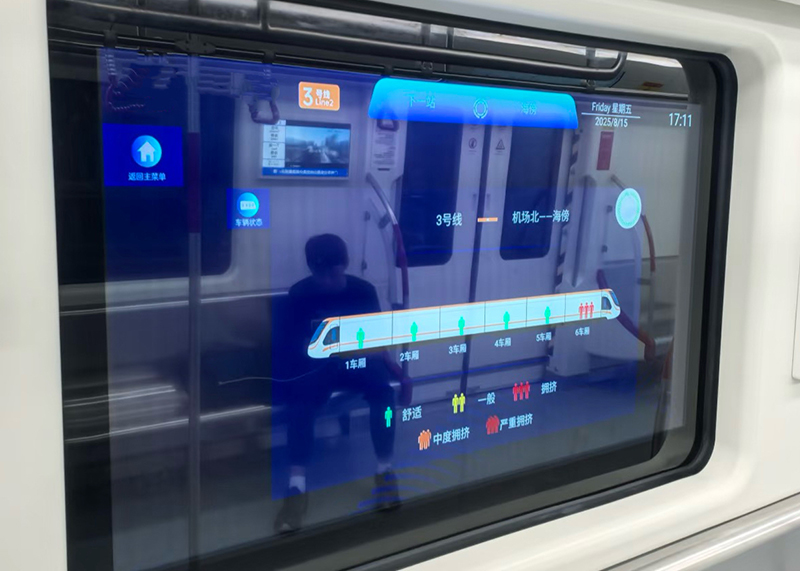
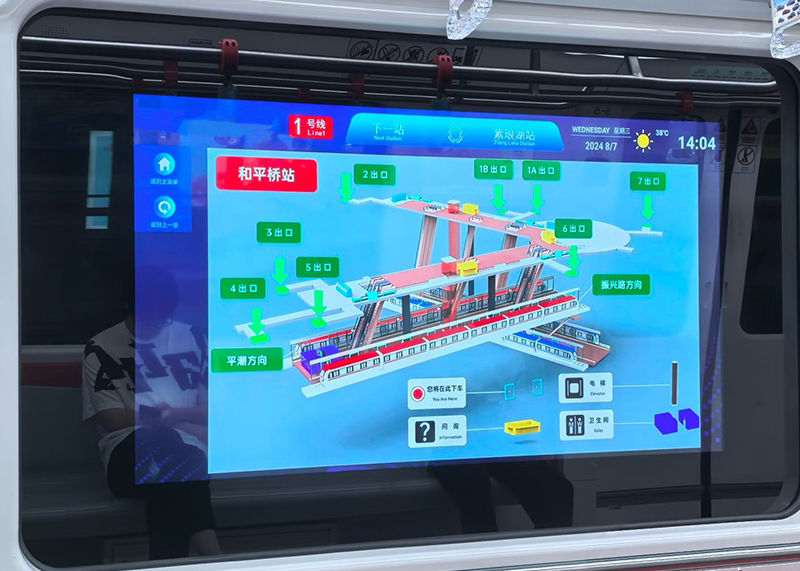
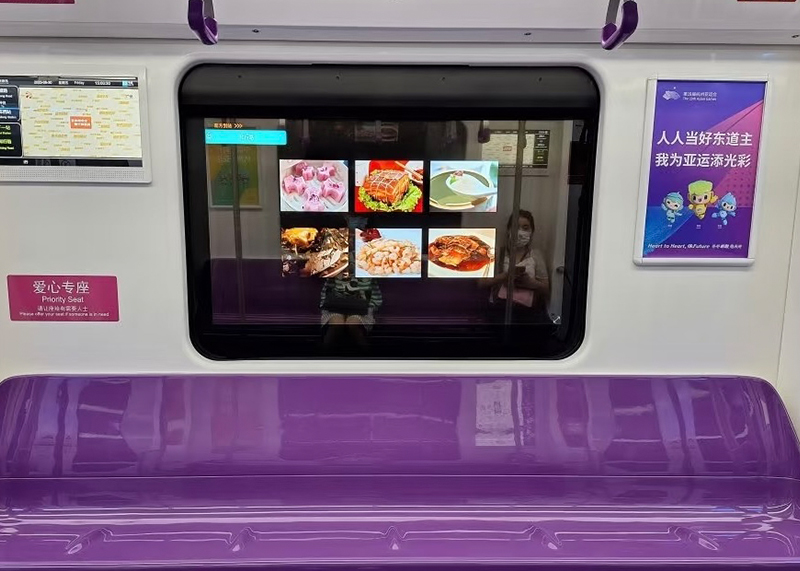
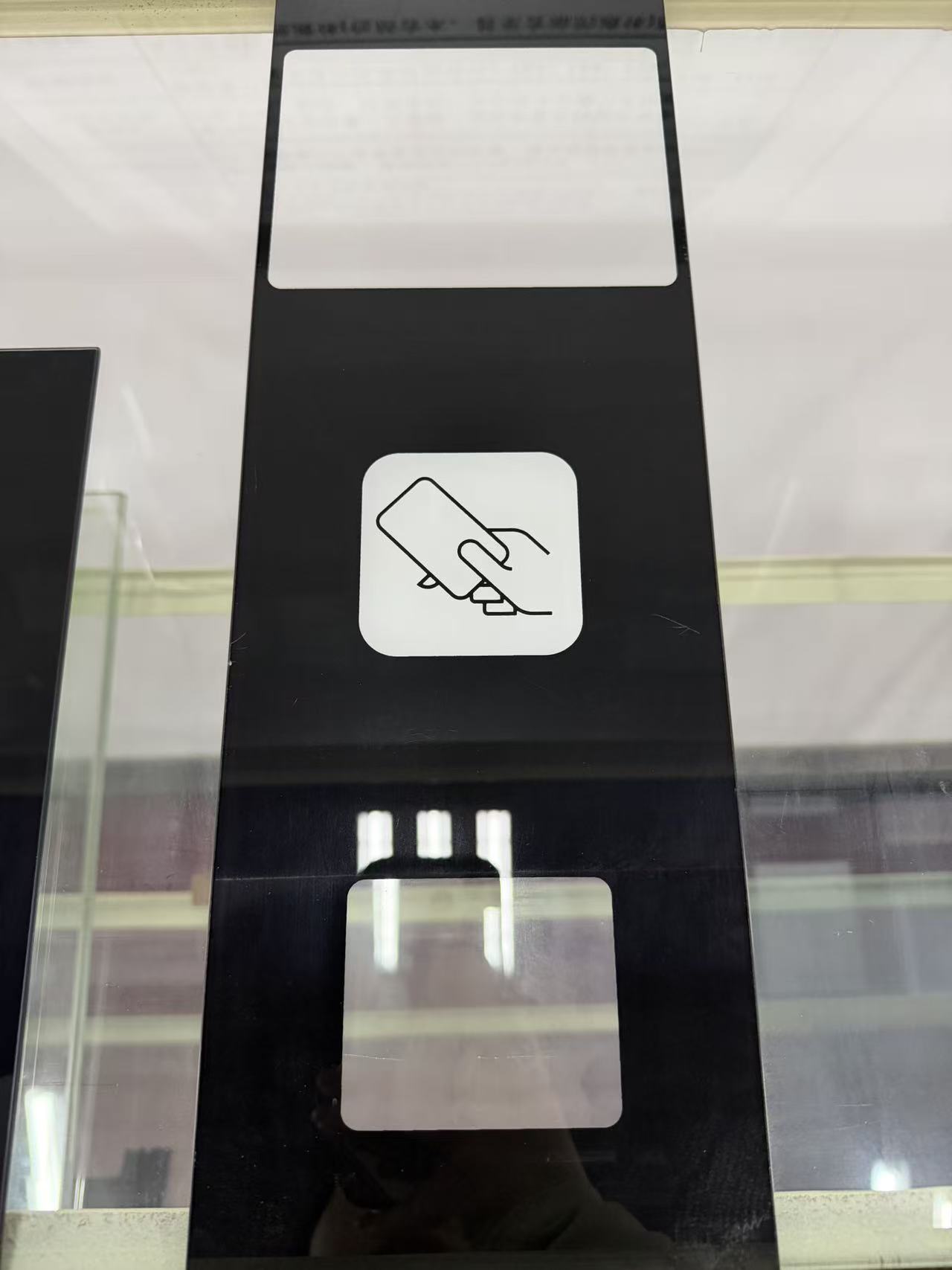


HMIS cover glass is a specialized protective glass engineered for human-machine interface systems used in military, defense, and harsh industrial environments. Positioned as the outermost layer above touch sensors and LCD modules, it shields displays from impact, scratches, chemicals, and extreme temperatures while maintaining optical clarity and touch sensitivity. Manufactured from chemically strengthened aluminosilicate or soda-lime glass, HMIS cover glass delivers high surface hardness, excellent scratch resistance, and reliable performance under vibration, shock, and moisture exposure. It can be customized with anti-glare, anti-reflective, and anti-fingerprint coatings to ensure readability in direct sunlight and demanding field conditions. Available in thin formats with precise dimensions, printed borders, and cutouts, HMIS cover glass meets MIL-SPEC and defense procurement requirements. It is the first line of defense for mission-critical displays in vehicles, control rooms, portable terminals, and outdoor installations.
Product Detail
HMIS cover glass is a protective glass panel designed specifically for human-machine interface (HMI) displays operating in demanding military and industrial environments. It sits at the front of the display stack, above the capacitive touch sensor, LCD module, optical bonding adhesive, and polarizer layer, protecting internal electronics from mechanical, environmental, and chemical threats.
Unlike standard consumer display glass, HMIS cover glass is engineered to withstand extreme conditions: direct sunlight, sand abrasion, salt spray, chemical cleaners, vibration, shock, and wide temperature swings. It is widely used in military vehicle displays, rugged handheld terminals, naval control systems, avionics instruments, and outdoor industrial HMIs.
Material Selection: Aluminosilicate or soda-lime glass is selected based on strength, thickness, and optical requirements.
Cutting and Shaping: Glass is cut to precise dimensions with rounded corners, cutouts, and holes for sensors or cameras.
Edge Processing: Edges are polished, chamfered, or ground for strength and safe handling.
Chemical Strengthening: Ion exchange replaces sodium ions with larger potassium ions, creating a deep compressive stress layer.
Coating Application: Anti-glare (AG), anti-reflective (AR), anti-fingerprint (AF), and hard coatings are applied as required.
Printing: Ceramic or silk-screen borders, logos, and functional markings are printed.
Optical Bonding: Glass is bonded to the display module using optical adhesive.
Inspection: Optical, dimensional, and durability tests are performed.
Aluminosilicate glass is the preferred material for HMIS cover glass in military and high-durability applications. Its unique chemical structure enables deeper and more effective ion exchange, delivering superior mechanical strength, scratch resistance, and optical clarity. It is the go-to choice for rugged handhelds, automotive interiors, medical displays, and outdoor digital signage.
Soda-lime glass is a cost-effective alternative suitable for controlled environments and general-purpose HMIs. When thermally tempered or chemically strengthened, it provides improved strength and breakage safety. However, it is typically limited to thicknesses of 3 mm or above and has lower mechanical strength than aluminosilicate glass.
Chemical strengthening is a surface-level process where smaller sodium ions in the glass are exchanged with larger potassium ions, increasing compressive stress. This method works with thin glass down to 0.3 mm and maintains optical quality while providing excellent scratch and impact resistance.
High surface hardness and scratch resistance
Excellent impact and crack resistance
Superior optical clarity and low haze
Anti-glare, anti-reflective, and anti-fingerprint options
Wide temperature reliability
UV stability and chemical resistance
Thin and lightweight construction
Custom sizes, shapes, and cutouts
Printed borders and functional markings
Compatible with PCAP touch sensors and optical bonding
| Parameter | Typical Range |
|---|---|
| Glass Types | Aluminosilicate, soda-lime |
| Thickness | 0.3–6 mm |
| Surface Compressive Stress | 500–900 MPa |
| Depth of Compressive Layer | 30–100 µm |
| Light Transmission | >90% (clear glass) |
| Haze | <1% (optical grade) |
| Surface Hardness | 6–9 Mohs (coating dependent) |
| Operating Temperature | −40°C to +85°C |
| Impact Resistance | IK08–IK10 |
| Coatings | AG, AR, AF, hard coat, ITO |
Micro-scratches scatter light and reduce display contrast. Even minor haze can make a bright display difficult to read outdoors. HMIS cover glass is engineered with high surface hardness and hard coatings to prevent scratches and maintain clarity over extended service life.
HMIS displays are exposed to falling tools, accidental collisions, and vandalism risks. Chemically strengthened glass provides significantly higher resistance to cracking and surface damage, ensuring the display remains operational even under continuous use.
HMIS cover glass can be optimized with anti-glare (AG), anti-reflective (AR), and anti-fingerprint (AF) coatings to reduce reflections, enhance contrast, and improve clarity in challenging lighting environments.
Industrial and military displays often operate in challenging conditions such as high humidity, temperature fluctuations, chemical exposure, and outdoor UV radiation. Protective coatings and sealing solutions improve resistance to environmental degradation.
HMIS cover glass must maintain performance across extreme temperature ranges, from arctic cold to desert heat, without delamination, cracking, or optical degradation.
Military and Defense: Vehicle displays, rugged handheld terminals, naval consoles, avionics instruments, portable field systems
Industrial Automation: Factory HMI panels, robotic control interfaces, process monitoring displays
Outdoor Terminals: Gas station payment terminals, EV charging stations, public kiosks, agricultural control terminals
Medical Systems: Surgical displays, diagnostic equipment interfaces, patient monitoring terminals
Transportation: Railway control panels, marine navigation displays, cockpit instruments
Critical Infrastructure: Power plant control rooms, data center monitoring, security consoles
Size, shape, and thickness
Clear, tinted, or coated glass
AG, AR, AF, and hard coatings
Printed borders, logos, and markings
Cutouts for sensors, cameras, and buttons
Rounded corners and custom edge profiles
Optical bonding to display modules
Integration with touch sensors and heating elements
MIL-SPEC compliant configurations
HMIS cover glass should be tested for:
Surface compressive stress and depth of layer
Dimensional accuracy and corner radii
Optical clarity, transmission, and haze
Impact resistance and IK rating
Scratch resistance and surface hardness
Coating adhesion and durability
Thermal shock and temperature cycling
Chemical resistance to cleaners and solvents
Environmental aging and UV stability
Suppliers should provide test reports, certificates, and samples for critical military and industrial projects.
HMIS cover glass for military and defense applications should comply with relevant standards:
MIL-PRF-13830 for optical components
MIL-STD-810 for environmental testing
MIL-STD-461 for electromagnetic compatibility
MIL-PRF-8184 for plastic materials (where applicable)
NSN-registered components for defense procurement
ITAR and DDTC registration for controlled items
Handle with clean gloves and protect edges from impact.
Store vertically in dry, ventilated conditions.
Install according to approved drawings and torque specifications.
Use qualified technicians for optical bonding and sealing.
Clean with non-abrasive glass cleaners and soft cloths.
Avoid harsh chemicals, scrapers, and abrasive pads.
Inspect edges, seals, and coatings periodically.
Replace damaged units promptly to prevent display damage.
1. What is HMIS cover glass?
HMIS cover glass is a protective glass panel designed for human-machine interface displays in military and industrial environments. It shields the display from impact, scratches, chemicals, and extreme temperatures.
2. What glass material is best for HMIS cover glass?
Aluminosilicate glass is preferred for high-durability applications because it enables deeper ion exchange and superior strength. Soda-lime glass is a cost-effective option for less demanding environments.
3. Can HMIS cover glass be chemically strengthened?
Yes. Chemical strengthening via ion exchange is commonly applied to HMIS cover glass to improve scratch and impact resistance while maintaining optical clarity.
4. Does HMIS cover glass need anti-glare coating?
Anti-glare coating is recommended for displays used in direct sunlight or bright indoor lighting to reduce reflections and improve readability.
5. Can HMIS cover glass be customized?
Yes. It can be customized in size, shape, thickness, coatings, printed borders, and cutouts to meet specific display requirements.
6. Is HMIS cover glass MIL-SPEC compliant?
HMIS cover glass can be manufactured to meet MIL-SPEC requirements, including MIL-STD-810 environmental testing and MIL-PRF-13830 optical standards.
7. How thick is HMIS cover glass?
Typical thickness ranges from 0.3 mm to 6 mm, depending on the application and strength requirements.
8. Can HMIS cover glass be repaired?
No. Damaged HMIS cover glass should be replaced to maintain display protection and optical performance.
We always need your help to expand and develop our business. If you are interested in our products or are interested in becoming our partner, please click the button below and our team will contact you as soon as possible.
Related Product
Smart Dimming & Switchable Glass
Smart Dimming & Switchable Glass is an advanced intelligent glazing technology that allows glass to transition instantly between transparent and opaque states at the touch of a button. Using PDLC, electrochromic, or SPD technologies, it gives users precise control over light, glare, and privacy without the need for blinds or curtains. Ideal for offices, hotels, healthcare facilities, residential interiors, and automotive applications, it combines modern aesthetics with energy efficiency, reducing cooling loads and enhancing comfort. With options for dimming, zoning, and smart-home integration, it delivers privacy on demand, cleaner design lines, and a more sustainable building envelope. Easy to install and maintain, it is a future-ready solution for architects, designers, and developers seeking flexible, high-performance glass.
Electrically heated glass is an advanced glazing solution that uses an invisible conductive coating or fine heating element laminated inside the glass to generate gentle, even warmth. When connected to a low-voltage power supply, it clears fog, frost, and condensation quickly while maintaining optical clarity and natural light. Unlike traditional heating systems, it heats the glass surface directly, improving thermal comfort, reducing draughts, and preventing snow or ice build-up. It is ideal for windows, skylights, doors, facades, refrigeration displays, and automotive applications. Available in clear, tinted, and low-e options, electrically heated glass can be customized for size, shape, voltage, and wattage. It supports energy efficiency by lowering heating demand near glazed areas, and it integrates with smart controls and building management systems. Durable, safe, and virtually maintenance-free, it is a high-performance choice for architects, designers, and developers seeking reliable anti-condensation and defrosting performance with rapid response and low power consumption.
Address
No. 8 Sanhe North Road, Nanhe District Industrial Park, Xingtai City, Hebei Province
+86 153 8309 2012

