

Rolling Stock Glazing


Product Detail
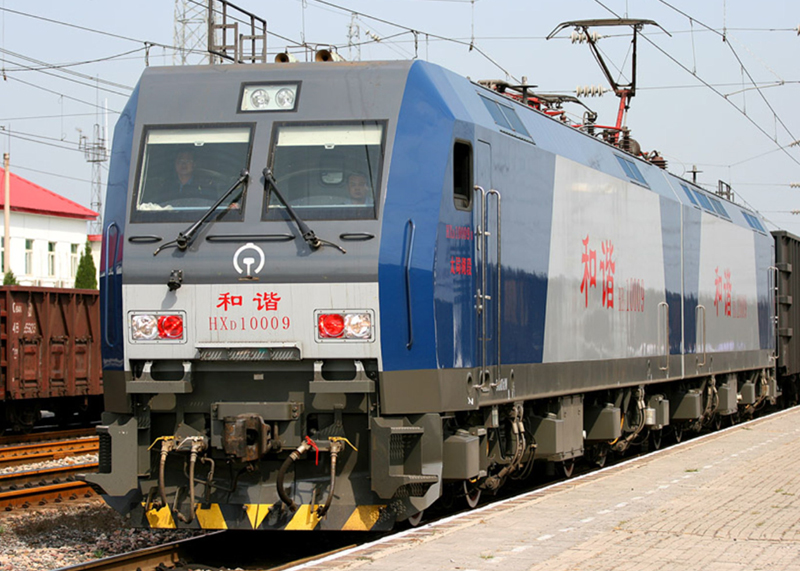
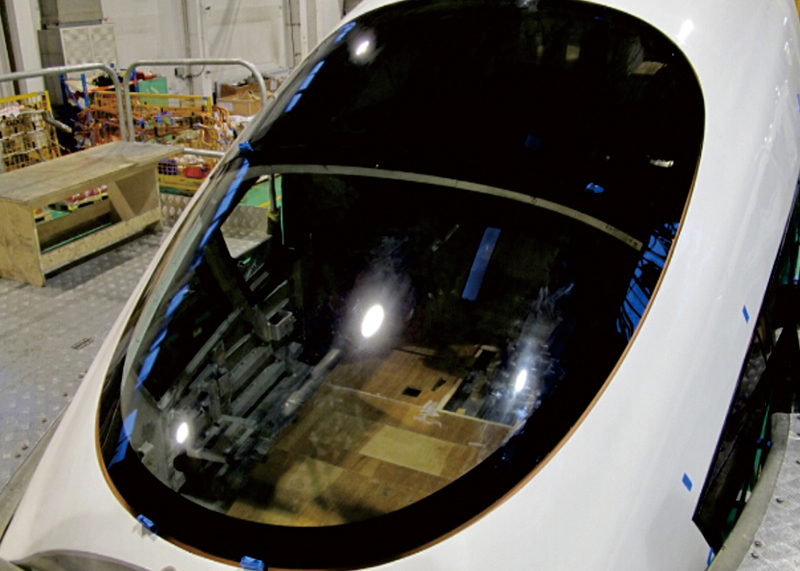
Locomotive front windscreen glass is a specialized laminated safety glazing installed at the front of a train driver's cab. It serves as the primary barrier between the driver and external threats: projectiles, gravel, birds, extreme weather, and potential vandalism. Unlike automotive windscreens, rail windscreens operate at higher speeds, face larger projectiles, and must comply with stricter safety standards.
The glass must maintain optical clarity under all conditions while protecting the driver from impact and spalling. It is engineered as a complete system involving glass, interlayers, heating elements, coatings, and frame integration. European, North American, and international standards govern its performance, including EN 15152, GM/RT 2456, FRA regulations, and UIC guidelines.
EN 15152 is the primary European standard for railway vehicle windscreens. It specifies functional requirements for high-speed rail, heavy rail, and urban rail vehicles, including metro and tram applications. The standard applies to laminated glass, the most commonly used material, as well as other materials that satisfy the performance requirements.
The standard covers:
Impact resistance testing, including projectile and gravelling tests
Spalling assessment and residual visibility
Resistance to abrasion and repeated small-particle impact
Bullet resistance testing
Heating system performance and uniformity
Optical characteristics: secondary image separation, distortion, haze, light transmittance, and chromaticity
Ageing resistance, thermal cycling, and humidity testing
Type testing, routine testing, and inspection methods
Determination of windscreen size, shape, orientation, and position is outside the scope of EN 15152; these form part of the windscreen technical specification. Installation, structural integrity, and crashworthiness are also excluded.
Glass Selection: High-strength glass, typically chemically strengthened or thermally tempered, is selected for optical clarity and mechanical performance.
Cutting and Shaping: Glass is cut to precise dimensions and curved if required for the cab profile.
Lamination: Multiple glass plies are bonded with PVB, SGP, or specialized interlayers. Polycarbonate layers may be added for enhanced impact resistance.
Heating Integration: Fine tungsten wires or transparent conductive coatings are embedded or applied.
Anti-Spall Layer: A protective layer is added to the driver-facing surface to prevent glass fragments from flying inward.
Coating Application: Low-emissivity, anti-reflective, or hydrophobic coatings are applied as needed.
Frame Integration: The glass is mounted in a frame designed to match the windscreen's protection level.
Testing and Certification: Impact, optical, thermal, and electrical tests are performed to verify compliance.
Rail windscreens predominantly use laminated glass, which consists of two or more glass plies bonded with tough, transparent polymer interlayers. Lamination ensures the glass holds together when shattered, maintaining residual visibility and preventing penetration.
Polyvinyl butyral (PVB) is the most widely used interlayer. It offers excellent optical clarity, adhesion, and impact energy absorption. Standard PVB is suitable for many rail applications, while acoustic PVB reduces noise transmission.
SentryGlas® Plus (SGP) provides higher strength, stiffness, and structural performance than standard PVB. It is preferred for high-security and high-impact rail windscreens where post-breakage integrity is critical.
Polycarbonate layers add exceptional impact resistance and reduce weight compared to all-glass assemblies. A polycarbonate sheet with a self-healing coating can protect the inner surface from scratching during cleaning. These composites are common in high-risk or weight-sensitive applications.
When glass breaks, fragments can injure the driver. Anti-spall layers, typically polycarbonate or specialized films bonded to the inner surface, hold fragments in place and prevent them from entering the cab.
EN 15152 requires windscreens to withstand impact from a cylindrical projectile under controlled conditions. The projectile is constructed of aluminum alloy with a steel cap, weighs 1 kg, and has a hemispherical tip with milled grooves. The impact velocity is based on the maximum operating speed plus a safety margin.
Repeated impact from small particles (gravel, ballast, stones) is a daily reality for rail windscreens. EN 15152 includes a gravelling test where projectiles are fired at the windscreen to assess surface damage and visibility degradation. Research has identified challenges with projectile stability during testing, leading to modified projectile designs for more consistent results.
When a windscreen is struck, glass fragments on the driver-facing side must not detach and become projectiles. EN 15152 specifies spalling assessment procedures and acceptance criteria to ensure driver safety.
For high-security applications, EN 15152 includes bullet resistance testing. This is particularly relevant for trains operating in regions with elevated security risks.
After impact, the windscreen must retain sufficient visibility for the driver to bring the train to a safe stop. EN 15152 specifies residual visibility test methods and acceptance criteria.
Frost, fog, and mist severely impair driver visibility, affecting speed perception, object identification, and focus. Rail windscreens must be equipped with de-misting or de-icing systems to ensure safe operation in all weather conditions.
Fine tungsten wires embedded within the laminated glass provide uniform heating across the windscreen surface. The wires are virtually invisible and do not interfere with the driver's vision. They maintain their design shape during lamination and provide reliable, long-term performance.
Transparent conductive coatings, such as Saint-Gobain's Icecontrol® Coating, provide heating without visible wires. This technology allows laminated windshields to be de-iced or de-misted within a few seconds by simply pressing a button. It operates effectively in temperatures ranging from −25°C to +50°C.
EN 15152 specifies heating uniformity, resistance measurement, and voltage withstand testing for both coating-based and wire-based heating systems. Thermostats and sensors can be integrated to regulate heat power and prevent overheating.
Optical clarity is critical for rail safety. Any distortion, haze, or uneven light transmission can impair the driver's perception of signals and track conditions.
| Parameter | Requirement |
|---|---|
| Light Transmittance | Minimum 70% visible light transmission for clear visibility |
| Haze | Maximum 2% when measured to ECE R 43 |
| Secondary Image Separation | Controlled to prevent ghosting |
| Optical Distortion | Within specified limits across the vision area |
| Chromaticity | Must not alter the color of railway signals |
| Visual Transmission (installed) | More than 65% in the installed position |
| Parameter | Typical Range |
|---|---|
| Glass Types | Chemically strengthened, thermally tempered, laminated |
| Interlayers | PVB, SGP, polycarbonate composites |
| Thickness | 8–30+ mm, depending on application |
| Curvature | Flat, 2D curved, 3D curved |
| Heating | Tungsten wires, conductive coating, or both |
| Light Transmission | >70% (clear configuration) |
| Haze | <2% |
| Impact Resistance | EN 15152, GM/RT 2456, FRA compliant |
| Operating Temperature | −40°C to +85°C |
| Anti-Spall | Polycarbonate or film-based inner layer |
| Wiper Compatibility | Exterior surface resistant to wiper scratching |
| Standard | Region | Scope |
|---|---|---|
| EN 15152 | Europe | Functional requirements for rail windscreens |
| GM/RT 2456 | UK | Structural requirements for windscreens |
| FRA 1 & 2 | North America | Federal Railroad Administration glazing |
| BRB 566 | UK | British Rail Board glazing specification |
| 49 CFR 238.721 | USA | Cab glazing requirements for Tier III trainsets |
| UIC 651 | International | Driver's cab layout and windscreen requirements |
| AS/NZS 2080 | Australia/NZ | Safety glass for land vehicles |
Rail windscreens certified to BRB 566, FRA 1 & 2, and GM/RT 2456 are available from qualified manufacturers.
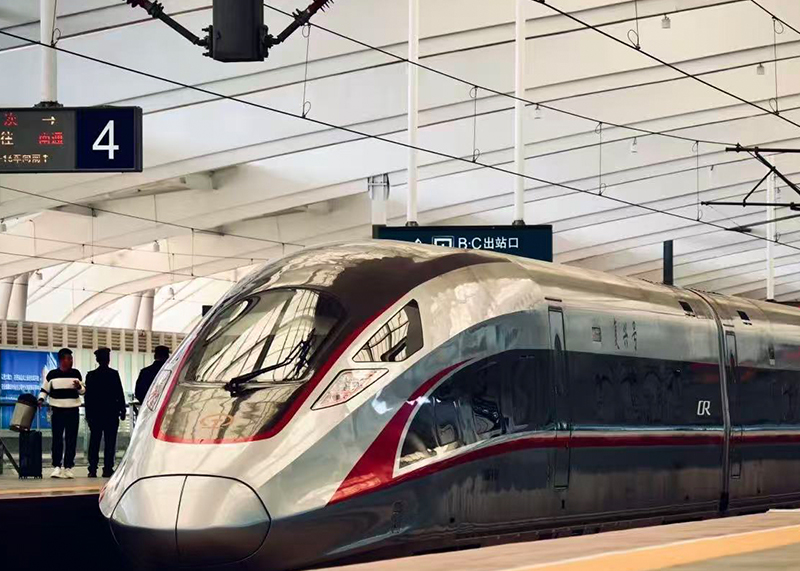
High-Speed Rail: Front windscreens for trains operating at 200+ km/h
Heavy Rail: Locomotive and freight train cab windscreens
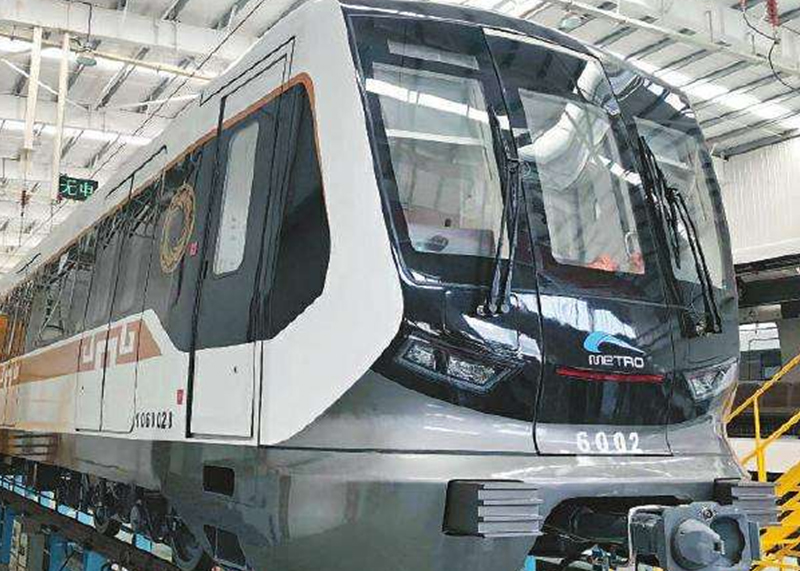
Urban Rail: Metro, tram, and light rail windscreens
On-Track Machines: Self-propelled and hauled maintenance vehicles
Specialty Vehicles: Snow ploughs, track inspection cars, and shunting locomotives
Size, shape, and curvature to match cab profile
Glass thickness and interlayer configuration
Heating system type and power density
Low-emissivity, anti-reflective, or hydrophobic coatings
Tinted or clear glass
Anti-graffiti surface treatment
Integration with wipers, sensors, and cameras
Frame design and mounting system
Windscreens must be installed according to approved drawings and torque specifications.
Frames must match the windscreen's structural and impact requirements.
Seals and gaskets must be compatible with glass and interlayers.
Electrical connections for heating systems must be properly protected.
Installation should be performed by qualified rail technicians.
Use standard glass cleaning agents on the exterior without risk of discoloration or damage.
Avoid abrasive materials, scrapers, and harsh chemicals.
Clean in shaded conditions and avoid cleaning hot glass.
Do not scratch the inner polycarbonate surface during cleaning.
Inspect heating wires or coatings periodically for damage.
Impact testing to EN 15152 and project-specific requirements
Gravelling and abrasion resistance testing
Spalling and residual visibility assessment
Optical clarity, distortion, and haze measurement
Heating uniformity and electrical safety testing
Thermal cycling and humidity testing
Ageing and UV resistance testing
Dimensional and curvature tolerance inspection
Suppliers should provide test reports, certificates of conformity, and traceability documentation for rail authority approval.
1. What standard governs locomotive front windscreen glass?
EN 15152 is the primary European standard for rail windscreens. Other standards include GM/RT 2456, FRA requirements, and UIC guidelines.
2. Can locomotive windscreens stop bullets?
Some configurations provide bullet resistance as specified in EN 15152. Protection level depends on the threat and testing requirements.
3. How does the heating system work?
Heating is provided by embedded tungsten wires or transparent conductive coatings that warm the glass surface to prevent frost and fog.
4. What happens if the windscreen breaks?
Laminated construction and anti-spall layers hold fragments together, maintaining residual visibility and preventing glass from entering the cab.
5. Can the windscreen be repaired?
No. Damaged windscreens must be replaced to maintain safety and compliance.
6. How long does a locomotive windscreen last?
Service life depends on operating conditions, maintenance, and impact exposure. Regular inspection is essential.
7. Is the windscreen wiper-safe?
Yes. The exterior surface is designed to resist scratching from wiper action
We always need your help to expand and develop our business. If you are interested in our products or are interested in becoming our partner, please click the button below and our team will contact you as soon as possible.
Related Product
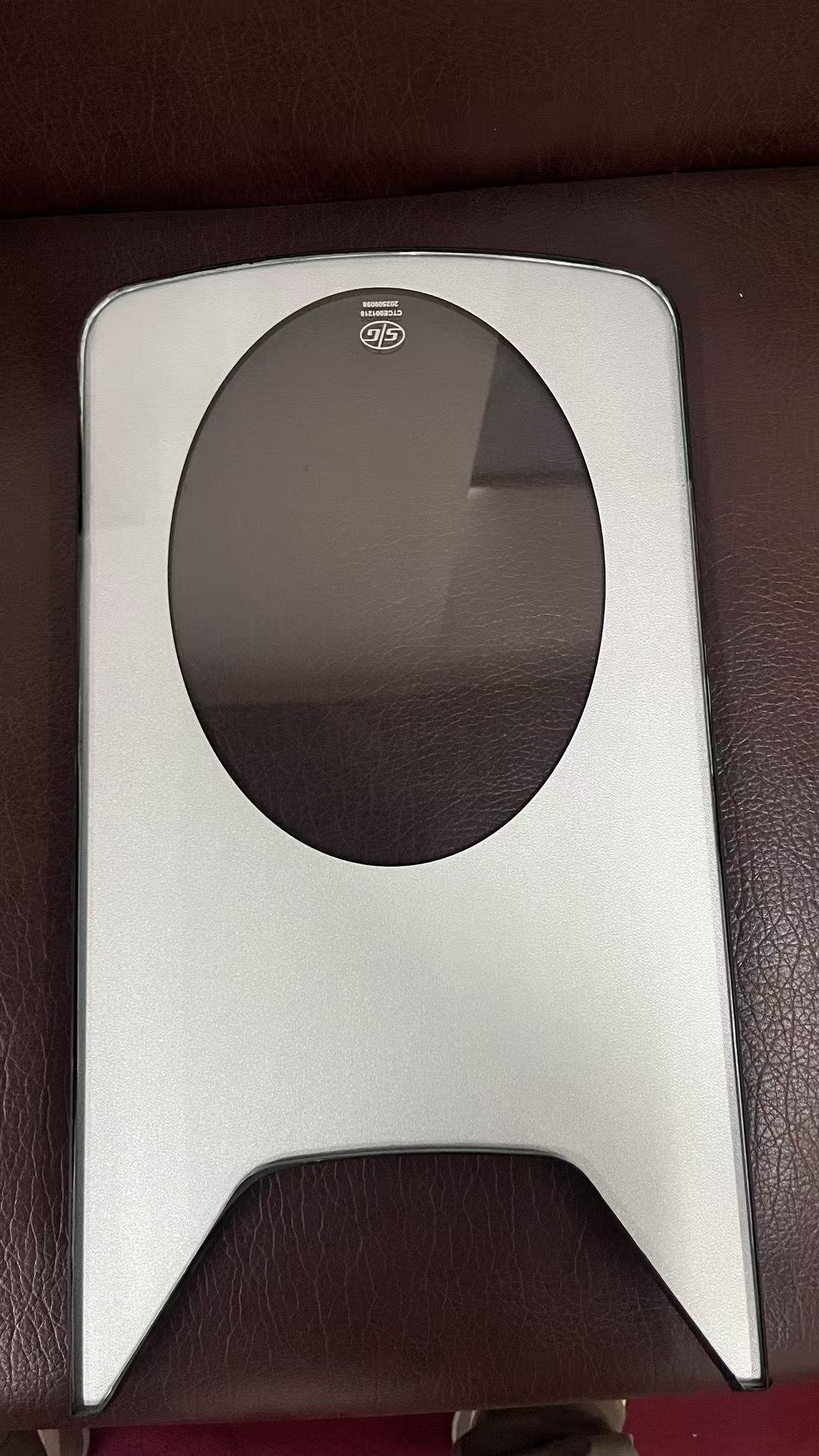
Train headlights and side lenses are specialized glass components engineered for the exterior lighting and signaling systems of locomotives, multiple units, metros, and light rail vehicles. Manufactured from toughened, borosilicate, or laminated glass, these lenses must withstand high-speed particle impact, extreme temperature swings, UV exposure, vibration, and vandalism while maintaining precise optical performance. Headlight lenses deliver homogeneous illumination and rapid intensity decrease for safe track visibility, while side lenses and signal covers ensure clear, reliable light output for signaling and marker functions. Compliant with EN 15152, GB 48005, and railway glazing standards, they are available in flat, curved, and aspherical configurations with anti-reflective, UV-filtering, and colored coatings. Ideal for OEM and aftermarket applications, these lenses combine durability, optical clarity, and weather resistance to meet the demanding requirements of modern rail operations.
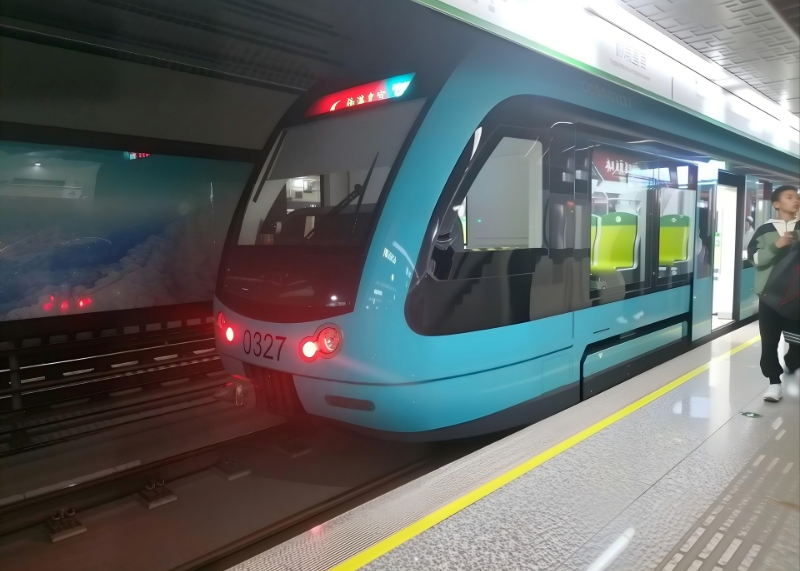
Cab and passenger windows are precision-engineered glazing systems for locomotives, multiple units, metros, and light rail vehicles. Cab windows must meet rigorous driver visibility, impact resistance, and anti-spall requirements under EN 15152, while passenger windows prioritize safety, thermal comfort, and acoustic insulation under ISO 22752. Both use laminated safety glass with PVB, SGP, or EVA interlayers to hold fragments in place after breakage, with chemically strengthened or thermally tempered glass for superior strength and optical clarity. Optional heated systems using tungsten wires or conductive coatings ensure rapid defogging and de-icing from −25°C to +50°C. Customizable in size, shape, tint, and coatings, these windows also support emergency escape functions, vandal resistance, and lightweight polycarbonate alternatives. Compliant with EN 15152, ISO 22752, GB 48005, and GMRT 2100, they deliver the durability and safety modern rail operations demand.
Address
No. 8 Sanhe North Road, Nanhe District Industrial Park, Xingtai City, Hebei Province
+86 153 8309 2012

