

Rolling Stock Glazing
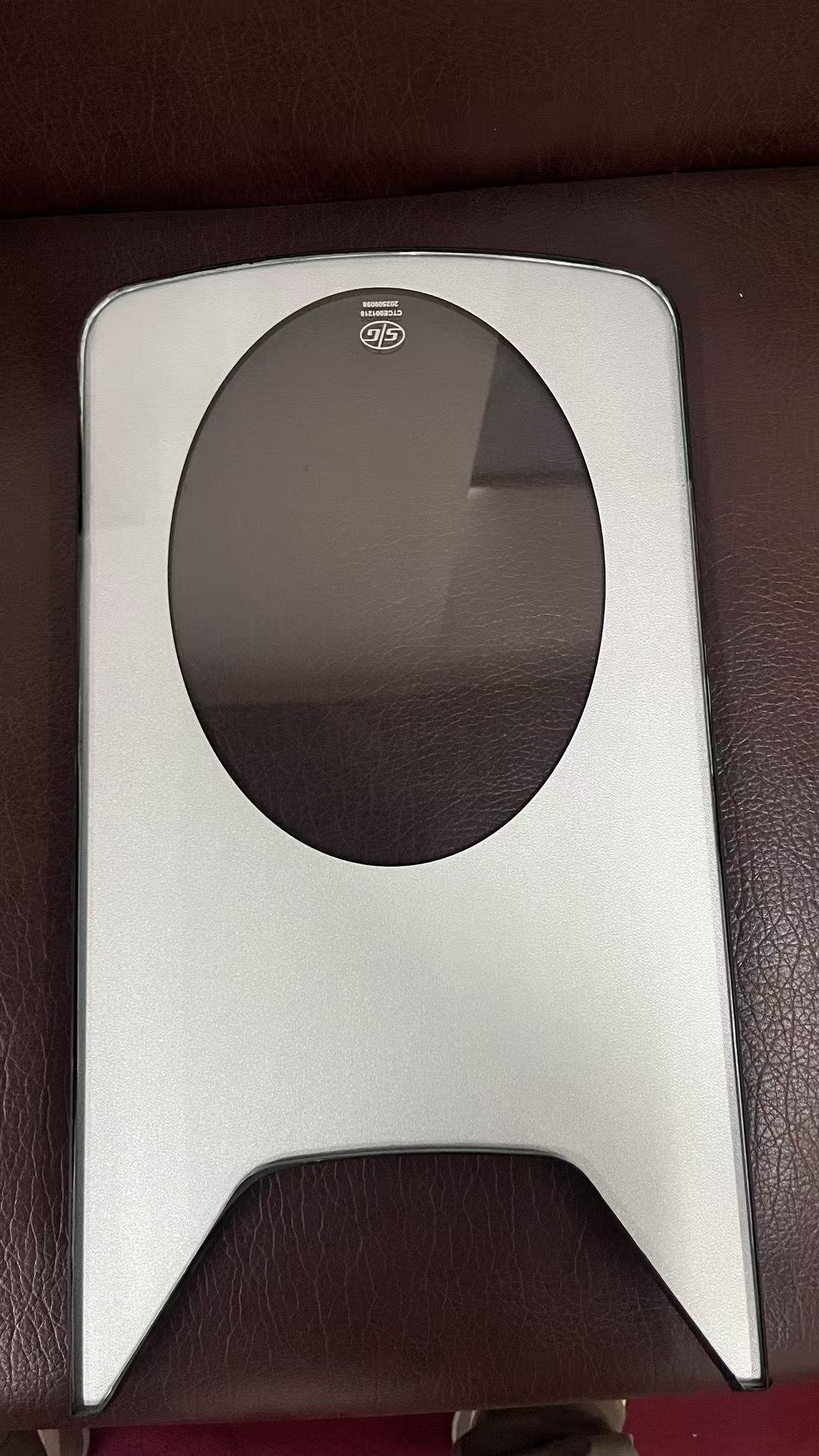
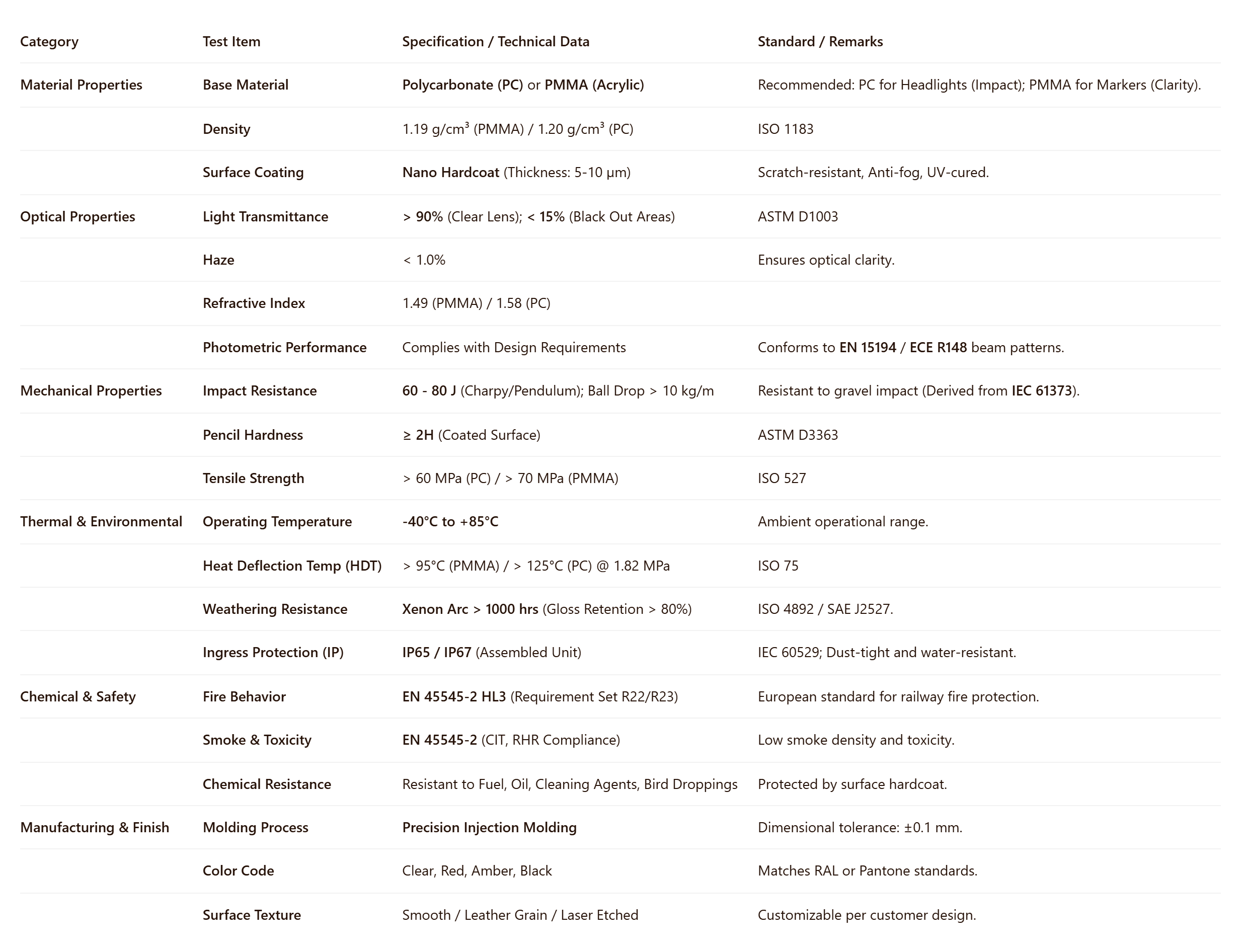


Train headlights and side lenses are specialized glass components engineered for the exterior lighting and signaling systems of locomotives, multiple units, metros, and light rail vehicles. Manufactured from toughened, borosilicate, or laminated glass, these lenses must withstand high-speed particle impact, extreme temperature swings, UV exposure, vibration, and vandalism while maintaining precise optical performance. Headlight lenses deliver homogeneous illumination and rapid intensity decrease for safe track visibility, while side lenses and signal covers ensure clear, reliable light output for signaling and marker functions. Compliant with EN 15152, GB 48005, and railway glazing standards, they are available in flat, curved, and aspherical configurations with anti-reflective, UV-filtering, and colored coatings. Ideal for OEM and aftermarket applications, these lenses combine durability, optical clarity, and weather resistance to meet the demanding requirements of modern rail operations.
High-Performance Train Light Lenses: The Fusion of Polycarbonate and Optics
Train headlights and side lenses are specialized glass components used in the exterior lighting and signaling systems of railway vehicles. They include headlight cover lenses, signal light glass, marker light covers, tail light lenses, and side-mounted lighting lenses. These components serve dual functions: ensuring visibility for the driver and signaling the train's presence and direction to other rail traffic and pedestrians.
Unlike standard glass, railway lighting lenses are engineered to withstand harsh operating conditions including flying ballast, gravel, rain, snow, ice, UV radiation, temperature extremes, vibration, and vandalism. They must maintain optical clarity and light transmission over years of service without discoloration, hazing, or structural failure.
Railway exterior lighting glass faces challenges that automotive and architectural glass do not:
High-speed particle impact: Gravel, ballast, and debris strike at speeds exceeding 200 km/h on high-speed rail.
Extreme temperature cycling: Lenses must perform from −40°C to +85°C without cracking or delamination.
UV and weathering resistance: Prolonged sun exposure must not cause yellowing or hazing.
Vibration and shock: Continuous track vibration demands robust mounting and material integrity.
Vandalism resistance: Lenses must resist scratching, impact, and chemical attack.
Signal color fidelity: Colored lenses must maintain precise chromaticity for railway signaling compliance.
Heat-resistant toughened glass (TS type) is widely used for railway headlight front covers. It offers high mechanical strength, thermal shock resistance, and a characteristic fragmentation pattern for safety. Toughened glass is suitable for flat and gently curved lenses and can be produced in clear, colored, or coated versions.
Borosilicate glass is preferred for high-powered headlights and applications requiring superior thermal and chemical resistance. It has a lower coefficient of thermal expansion and higher melting point than soda-lime glass, making it ideal for halogen and LED light sources that generate significant heat. Borosilicate lenses are available in molded, aspherical, and irregular shapes with light transmission exceeding 90% for visible light.
Laminated glass constructions are used for side lenses and larger lighting covers where impact resistance and fragmentation control are critical. Multiple glass plies bonded with PVB or SGP interlayers hold fragments together after breakage, preventing glass from falling onto the track or injuring personnel.
Advanced coatings enhance performance:
Anti-reflective (AR): Reduces surface reflections, improving light transmission efficiency.
UV filters: Block UV radiation from degrading internal components and preventing lens hazing.
IR filters: Manage heat build-up from high-intensity light sources.
Colored coatings: Achieve precise signal colors — red, yellow, green, blue, and lunar white — with defined chromaticity coordinates.
Train headlight optics must be precisely designed to guarantee rapid decrease of intensity and homogeneous illumination of the required area. Key optical parameters include:
Light distribution: Uniform beam pattern without hot spots or dark zones.
Intensity decay: Controlled fall-off from optical axis to scatter angles.
Chromaticity: Color coordinates must match railway signaling standards for each signal color.
Luminous intensity: Signal light glass must deliver specified candela values at defined angles.
For legacy lamp replacement with modern LED sources, optical elements can be redesigned to respect the original optical function and illumination requirements while keeping existing assembly and mounting parameters.
| Standard | Scope | Key Requirements |
|---|---|---|
| EN 15152 | Rail vehicle windscreens (functional requirements) | Impact, optical, heating, ageing |
| GB 48005-2026 | Glass for rail vehicles (China) | Visibility, electro-thermal, mechanical safety |
| GOST R 53784-2010 | Optical elements for railway signaling | Luminous intensity, chromaticity |
| EN 12600 | Pendulum impact test | Impact classification |
| EN 15085 | Welding of railway vehicles | Frame welding quality |
GB 48005-2026 specifies that windshield glass should be laminated or electrically heated, while side windows may use insulated, laminated, or tempered glass. Safety technical requirements include visibility safety, electro-thermal safety, mechanical safety, and fragmentation safety.
| Parameter | Typical Range |
|---|---|
| Glass Types | Toughened, borosilicate, laminated, soda-lime |
| Thickness | 3–10 mm (single), 3+3 mm to 4+4 mm (laminated) |
| Light Transmission | >90% (clear borosilicate), >70% (main vision area) |
| Shapes | Flat, curved, aspherical, spherical, irregular |
| Coatings | AR, UV, IR, colored, dichroic, cold-light reflection |
| Operating Voltage | 110 V nominal (85–138 V range for headlight systems) |
| IP Grade | IP66 for integrated headlight assemblies |
| Operating Temperature | −40°C to +85°C |
| Color Options | Clear, red, yellow, green, blue, lunar white |
| Standards | EN 15152, GB 48005, GOST R 53784, EN 12600 |
Front headlight cover lenses for diesel and electric locomotives
Signal and marker light glass
Cab side lighting lenses
Tail light covers
Headlight lenses for EMU/DMU trains
Signal light glass for high-speed trainsets
Side-mounted lighting covers
Destination indicator glass
Headlight and tail light lenses
Signal light glass for urban rail
Side lighting covers
Interior and exterior lighting glass for trams and metros
Signal light glass for railway signaling systems
Platform lighting covers
Tunnel lighting glass
Track periphery lighting components
Size, shape, and curvature to match vehicle design
Glass material selection: borosilicate, toughened, laminated, or soda-lime
Colored glass or coated glass for signal and lighting functions
Anti-reflective, UV, IR, and dichroic filter coatings
Ceramic and organic color printing
Mirror and cold-light reflection finishes
Mounting and positioning elements integrated into the optical design
LED-compatible optical redesign for legacy lamp replacement
Railway lighting glass should be tested for:
Impact resistance to EN 12600 and project-specific requirements
Light transmittance and chromaticity verification
Thermal shock resistance (electric heat cycling)
UV ageing and weathering resistance
Adhesion and durability of coatings
Dimensional accuracy and curvature tolerance
Vibration and mechanical shock resistance
Insulation resistance for heated components (≥50 MΩ)
Suppliers should provide test reports and certificates of conformity for rail authority approval.
Handle with clean gloves and protect optical surfaces from scratches.
Install according to approved drawings and torque specifications.
Ensure gaskets and seals are compatible with glass and coatings.
Verify electrical connections for heated lenses are properly protected.
Clean with non-abrasive glass cleaners and soft cloths.
Avoid harsh chemicals, scrapers, and abrasive pads.
Inspect for cracks, chips, delamination, or coating degradation periodically.
Replace damaged lenses promptly to maintain signaling compliance.
1. What material is used for train headlight lenses?
Toughened glass and borosilicate glass are the most common materials. Borosilicate is preferred for high-powered headlights due to its thermal resistance.
2. What standards apply to railway lighting glass?
EN 15152, GB 48005, GOST R 53784, and EN 12600 are key standards for optical performance, impact resistance, and safety.
3. Can train headlight lenses be colored?
Yes. Colored glass and coatings are available in red, yellow, green, blue, and lunar white to meet railway signaling requirements.
4. How is light distribution controlled?
Through precise optical design using Fresnel, aspherical, or corrugated lens profiles that ensure homogeneous illumination and controlled intensity decay.
5. Can LED light sources be used with existing lenses?
Yes, but optics may need optimization. Redesigned optical elements can meet illumination requirements while keeping existing assembly and mounting parameters.
6. How do heated headlight lenses prevent fogging?
Heating is provided by embedded wires or conductive coatings that warm the lens surface, preventing frost and condensation formation.
7. What is the service life of railway lighting glass?
Service life depends on operating conditions. With proper maintenance, high-quality borosilicate or toughened lenses can provide years of reliable service.
We always need your help to expand and develop our business. If you are interested in our products or are interested in becoming our partner, please click the button below and our team will contact you as soon as possible.
Related Product
Locomotive front windscreen glass
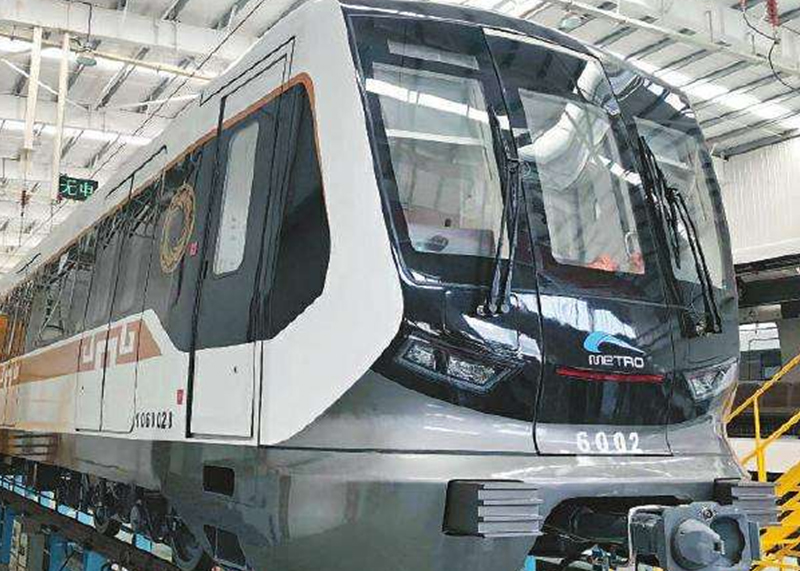
Locomotive front windscreen glass is a high-performance safety glazing engineered for the extreme demands of rail transport. Positioned at the front of the driver's cab, it must withstand high-speed projectile impacts, gravel strikes, temperature extremes, and constant vibration while maintaining exceptional optical clarity. Manufactured from laminated glass with interlayers such as PVB, SGP, or polycarbonate composites, it complies with EN 15152, GM/RT 2456, and FRA requirements. Integrated heating systems using fine tungsten wires or transparent conductive coatings provide rapid de-icing and de-misting across the entire glass surface. Anti-spall layers prevent flying glass fragments from injuring the driver. Available in flat and curved configurations with low-emissivity coatings and wiper-friendly surfaces, locomotive front windscreen glass delivers the visibility, safety, and durability that modern rail operations demand.
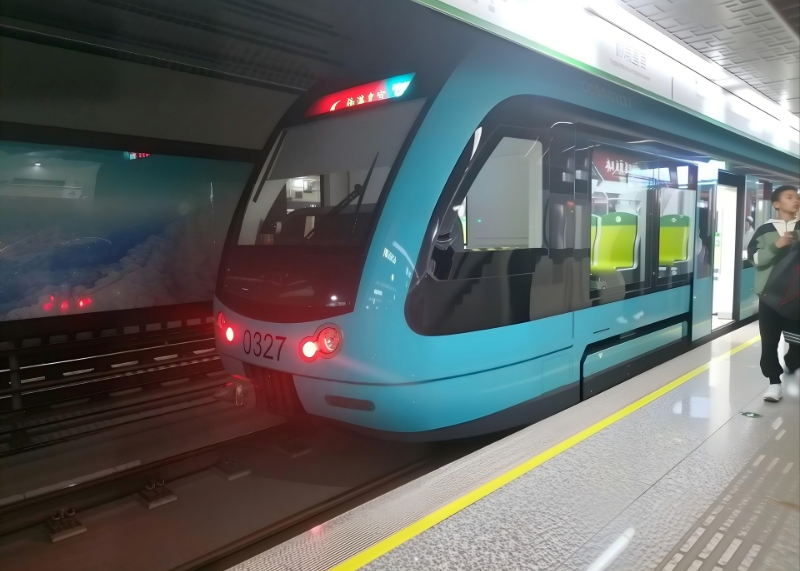
Cab and passenger windows are precision-engineered glazing systems for locomotives, multiple units, metros, and light rail vehicles. Cab windows must meet rigorous driver visibility, impact resistance, and anti-spall requirements under EN 15152, while passenger windows prioritize safety, thermal comfort, and acoustic insulation under ISO 22752. Both use laminated safety glass with PVB, SGP, or EVA interlayers to hold fragments in place after breakage, with chemically strengthened or thermally tempered glass for superior strength and optical clarity. Optional heated systems using tungsten wires or conductive coatings ensure rapid defogging and de-icing from −25°C to +50°C. Customizable in size, shape, tint, and coatings, these windows also support emergency escape functions, vandal resistance, and lightweight polycarbonate alternatives. Compliant with EN 15152, ISO 22752, GB 48005, and GMRT 2100, they deliver the durability and safety modern rail operations demand.
Address
No. 8 Sanhe North Road, Nanhe District Industrial Park, Xingtai City, Hebei Province
+86 153 8309 2012

