

Rolling Stock Glazing
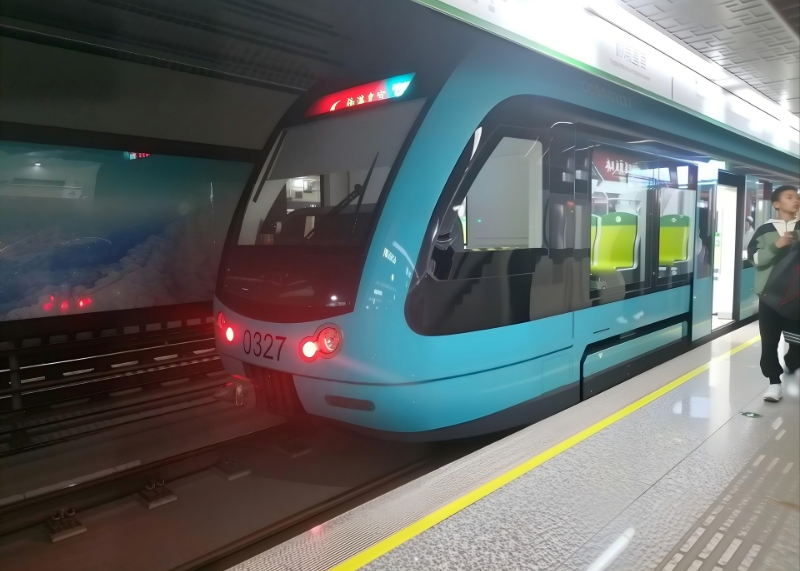
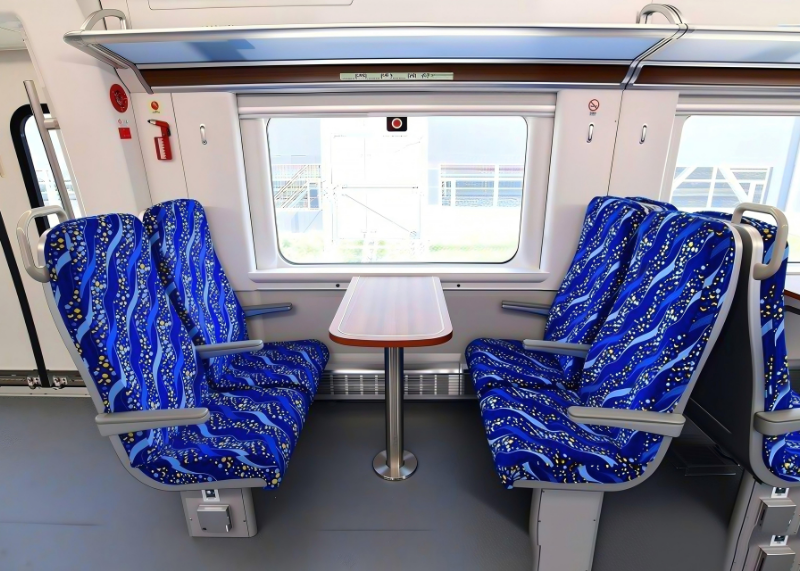
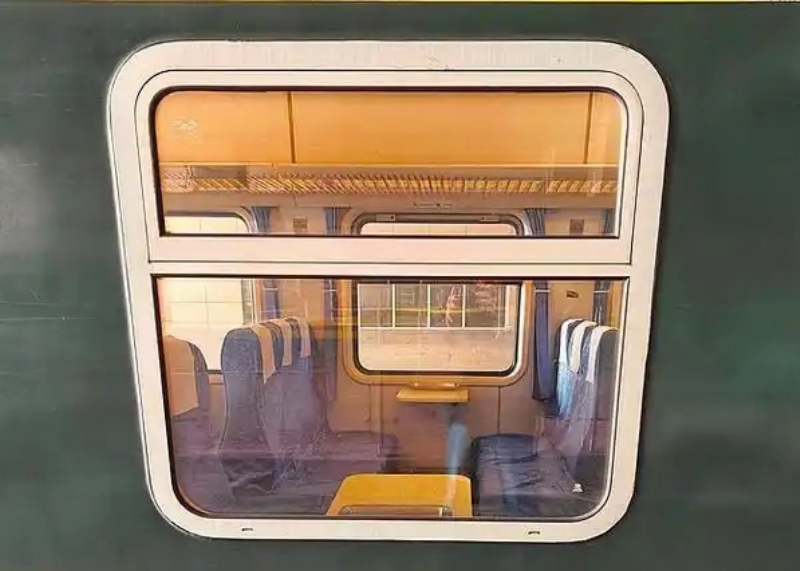


Cab and passenger windows are precision-engineered glazing systems for locomotives, multiple units, metros, and light rail vehicles. Cab windows must meet rigorous driver visibility, impact resistance, and anti-spall requirements under EN 15152, while passenger windows prioritize safety, thermal comfort, and acoustic insulation under ISO 22752. Both use laminated safety glass with PVB, SGP, or EVA interlayers to hold fragments in place after breakage, with chemically strengthened or thermally tempered glass for superior strength and optical clarity. Optional heated systems using tungsten wires or conductive coatings ensure rapid defogging and de-icing from −25°C to +50°C. Customizable in size, shape, tint, and coatings, these windows also support emergency escape functions, vandal resistance, and lightweight polycarbonate alternatives. Compliant with EN 15152, ISO 22752, GB 48005, and GMRT 2100, they deliver the durability and safety modern rail operations demand.
Product Detail
Cab and passenger windows are specialized glazing components installed on railway vehicles, including locomotives, high-speed trains, metro cars, trams, and light rail vehicles. Cab windows protect the driver and ensure forward visibility for safe train operation, while passenger windows provide outward vision, thermal comfort, acoustic insulation, and emergency escape capability.
These windows are safety-critical components. They must withstand high-speed projectile impact, gravel strikes, temperature extremes, vibration, vandalism, and the transient aerodynamic pressure pulses generated by passing trains. They must also resist fire and smoke propagation, maintain optical clarity over years of service, and comply with stringent international rail standards.
The global rail transit safety glass market was valued at approximately USD 3.64 billion in 2025 and is projected to reach USD 5.54 billion by 2032, growing at a CAGR of 6.17%. This growth reflects increasing rail infrastructure investment, fleet modernization, and rising safety specification complexity.
EN 15152 is the primary European standard for railway windscreens. It specifies functional requirements including impact resistance, spalling assessment, heating performance, optical properties, and ageing resistance. The standard distinguishes between driver's windscreens and passenger windscreens: all windows in the driver's cab fully or partially in front of the driver's seat reference point (SRP) are classified as windscreens or side windscreens, subject to the full requirements of the standard.
ISO 22752 defines the classification, technical requirements, and markings for bodyside windows, including standard fixed windows, standard movable windows, emergency escape windows, and emergency access windows. It applies to all windows mounted on the side of railway vehicles, including those in saloons, restaurant cars, vestibules, toilets, driving cabs, crew compartments, and technical rooms.
China's GB 48005-2026 specifies safety technical requirements, test methods, and判定 rules for glass used in railway and urban rail transit vehicles. It applies to front windows, side windows, and interior glass for both driver's cabs and passenger compartments.
GMRT 2100 is a UK Railway Group Standard focusing on the design and passive safety requirements of rail vehicle structures. It includes mandatory test procedures for bodyside windows: small missile impact, passenger containment, and pressure pulse testing.
EN 45545 requires that glass in escape routes and driver's cabs maintain integrity for 20–30 minutes under fire exposure, with limited smoke and toxic gas emission.
Laminated glass is the preferred construction for rail windows. Multiple glass plies are bonded with tough polymer interlayers, ensuring the glass holds together when shattered. This maintains residual visibility and prevents fragments from entering the cabin.
Polyvinyl butyral (PVB) is the most widely used interlayer, offering excellent optical clarity, adhesion, and impact energy absorption. Acoustic PVB reduces noise transmission, improving passenger comfort in high-speed trains.
SentryGlas® Plus (SGP) provides higher strength, stiffness, and structural performance than standard PVB. It is preferred for high-security and high-impact cab windscreens where post-breakage integrity is critical.
Chemical strengthening via ion exchange creates a deep compressive stress layer, enabling thin glass with excellent mechanical strength, scratch resistance, and optical clarity. It is particularly suited for large driver's cab windows where low distortion is essential.
Thermally tempered glass is widely used in passenger bodyside windows. When it breaks, it fragments into small, relatively harmless pieces, reducing injury risk. It is three times stronger than ordinary glass of the same thickness.
Polycarbonate sheet is a lighter alternative to glass for rail car windows, featuring exceptional durability and impact resistance. Materials such as Makrolon TG polycarbonate sheet reduce unscheduled maintenance costs due to broken glass and meet stringent Federal Railroad Administration requirements.
EN 15152 defines a primary vision area for driver's windscreens, with specific optical requirements including light transmittance (minimum 70% in the main vision area), haze limits, and secondary image separation control. Optical distortion must be minimized to ensure the driver can accurately perceive signals and track conditions.
Cab windscreens must withstand high-speed impact from projectiles. EN 15152 specifies testing with cylindrical projectiles simulating gravel, ballast, and other debris. The standard also includes gravelling resistance testing to assess surface damage and visibility degradation from repeated small-particle impact.
When a cab windscreen breaks, glass fragments on the driver-facing side must not detach and become projectiles. Anti-spall layers, typically polycarbonate or specialized films bonded to the inner surface, hold fragments in place and prevent glass from entering the cab.
Cab windows must withstand aerodynamic pressure loads from passing trains. The glazing must resist maximum excess pressure of 2900 Pa and maximum depression of −6200 Pa during shock waves from train passing, plus fatigue loads of ±1605 Pa.
Frost, fog, and mist severely impair driver visibility, affecting speed perception, object identification, and focus. Saint-Gobain Sekurit Transport's heatable glazing technology provides clear vision while driving in temperatures ranging from −25°C to +50°C.
Transparent conductive coatings, such as Icecontrol® by Coating, allow laminated windshields to be de-iced or de-misted within a few seconds by pushing a button. The invisible coating provides homogeneous heating across the glass surface without visible wires, and can be combined with thermostats or sensors for heat power regulation.
Fine tungsten wires embedded within the laminated glass provide reliable, uniform heating. The wires are virtually invisible and maintain their design shape during lamination.
GMRT 2100 specifies three critical test procedures for passenger bodyside windows:
Small Missile Test (Appendix C): Six window samples are tested with a 250 g steel ball launched at 100 km/h. The ball must not penetrate the glazing, and no fragments exceeding 40 g total weight are permitted.
Passenger Containment Test (Appendix D): Three sequential phases simulate a derailment: (A) impact with a 5 kg ball at 34 km/h with fragments weighing less than 10 g; (B) pendulum impact with a 50 kg semi-rigid body without through-penetration; (C) concentrated load of 800 N without breakage or dislodgement.
Pressure Pulse Test (Appendix E): The window is subjected to 25 alternating positive and negative high-speed pressure pulses. The window must show no further loss of fragments, controlled deflection, and no panes detaching for at least 10 minutes after the final pulse.
ISO 22752 classifies emergency escape windows and emergency access windows as critical safety components. In certain situations, emergency escape windows and emergency access windows are the same window. These windows must be clearly marked and designed for rapid egress during emergencies.
Modern rail vehicles rely on high-quality insulating glazing to meet thermal comfort and sound insulation requirements. Asymmetrical laminated glass constructions with acoustic PVB interlayers effectively reduce noise transmission, improving passenger comfort in high-speed trains.
Insulating glass units (IGUs) are used for passenger windows to reduce heat transfer, prevent condensation, and improve energy efficiency. These units combine two or more glass panes with a sealed air or gas space between them.
| Parameter | Cab Windows | Passenger Windows |
|---|---|---|
| Glass Types | Chemically strengthened, thermally tempered, laminated | Laminated, tempered, polycarbonate |
| Interlayers | PVB, SGP, EVA | PVB, acoustic PVB, EVA |
| Thickness | 8–30+ mm | 6–20 mm |
| Light Transmission | >70% (main vision area) | >70% |
| Curvature | Flat, 2D, 3D curved | Flat, gently curved |
| Heating | Tungsten wires, conductive coating | Optional |
| Impact Resistance | EN 15152 compliant | GMRT 2100, ISO 22752 compliant |
| Anti-Spall | Polycarbonate or film layer | Optional |
| Fire Performance | EN 45545 compliant | EN 45545 compliant |
| Emergency Escape | N/A | ISO 22752 compliant |
| Operating Temperature | −40°C to +85°C | −40°C to +85°C |
Driver cab front windscreens and side windows
Cab door windows
Crew compartment windows
Rear-facing cab windows
EMU/DMU cab windscreens
Passenger saloon bodyside windows
Door vision panels
Toilet and vestibule windows
Driver cab windows for urban rail vehicles
Passenger side windows
Emergency escape windows
Interior partition glazing
On-track machines
Track inspection cars
Snow ploughs and maintenance vehicles
Heritage and tourist railway vehicles
Size, shape, and curvature to match vehicle body profile
Glass material selection: chemically strengthened, tempered, laminated, polycarbonate
Interlayer choice: PVB, acoustic PVB, SGP, EVA
Heated systems: tungsten wires, conductive coating, or hybrid
Coatings: AR, UV, IR, hydrophobic, anti-graffiti
Tinted or clear glass in various colors
Emergency escape hardware and markings
Integration with wipers, sensors, and cameras
Frame and mounting system design
Rail window glazing should be tested for:
Impact resistance to EN 15152, GMRT 2100, and project requirements
Small missile, passenger containment, and pressure pulse performance
Optical clarity, distortion, haze, and light transmittance
Spalling assessment and residual visibility
Heating uniformity and electrical safety
Thermal cycling, humidity, and UV ageing
Fire performance to EN 45545
Dimensional accuracy and curvature tolerance
Emergency escape function verification
Suppliers should provide test reports, certificates of conformity, and traceability documentation for rail authority approval.
Handle with clean gloves and protect edges from impact.
Store vertically in dry, ventilated conditions.
Install according to approved drawings and torque specifications.
Ensure frames and seals are compatible with glass and interlayers.
Verify emergency escape mechanisms operate correctly.
Clean with non-abrasive glass cleaners and soft cloths.
Avoid harsh chemicals, scrapers, and abrasive pads.
Inspect for cracks, chips, delamination, and seal degradation periodically.
Replace damaged windows promptly to maintain safety compliance.
1. What standards apply to train cab windows?
EN 15152 is the primary European standard for rail windscreens. Other applicable standards include GM/RT 2456, FRA requirements, and GB 48005.
2. What standards apply to passenger windows?
ISO 22752 defines requirements for bodyside windows, including emergency escape windows. GMRT 2100 specifies impact and pressure testing for passenger carriage windows.
3. Can train windows withstand high-speed impacts?
Yes. Cab and passenger windows are tested with projectiles simulating gravel, stones, and other debris at operating speeds. GMRT 2100 requires passenger windows to resist a 250 g steel ball at 100 km/h.
4. How do heated windows work?
Heated windows use embedded tungsten wires or transparent conductive coatings to warm the glass surface, preventing frost and fog. They operate from −25°C to +50°C.
5. What is anti-spall protection?
Anti-spall layers prevent glass fragments from flying into the cab when the windscreen breaks, protecting the driver from injury.
6. Can passenger windows be used for emergency escape?
Yes. ISO 22752 classifies emergency escape windows, which are designed for rapid egress during emergencies and must be clearly marked.
7. Are polycarbonate windows available?
Yes. Polycarbonate sheet is a lightweight alternative to glass, offering exceptional impact resistance and meeting FRA requirements.
We always need your help to expand and develop our business. If you are interested in our products or are interested in becoming our partner, please click the button below and our team will contact you as soon as possible.
Related Product
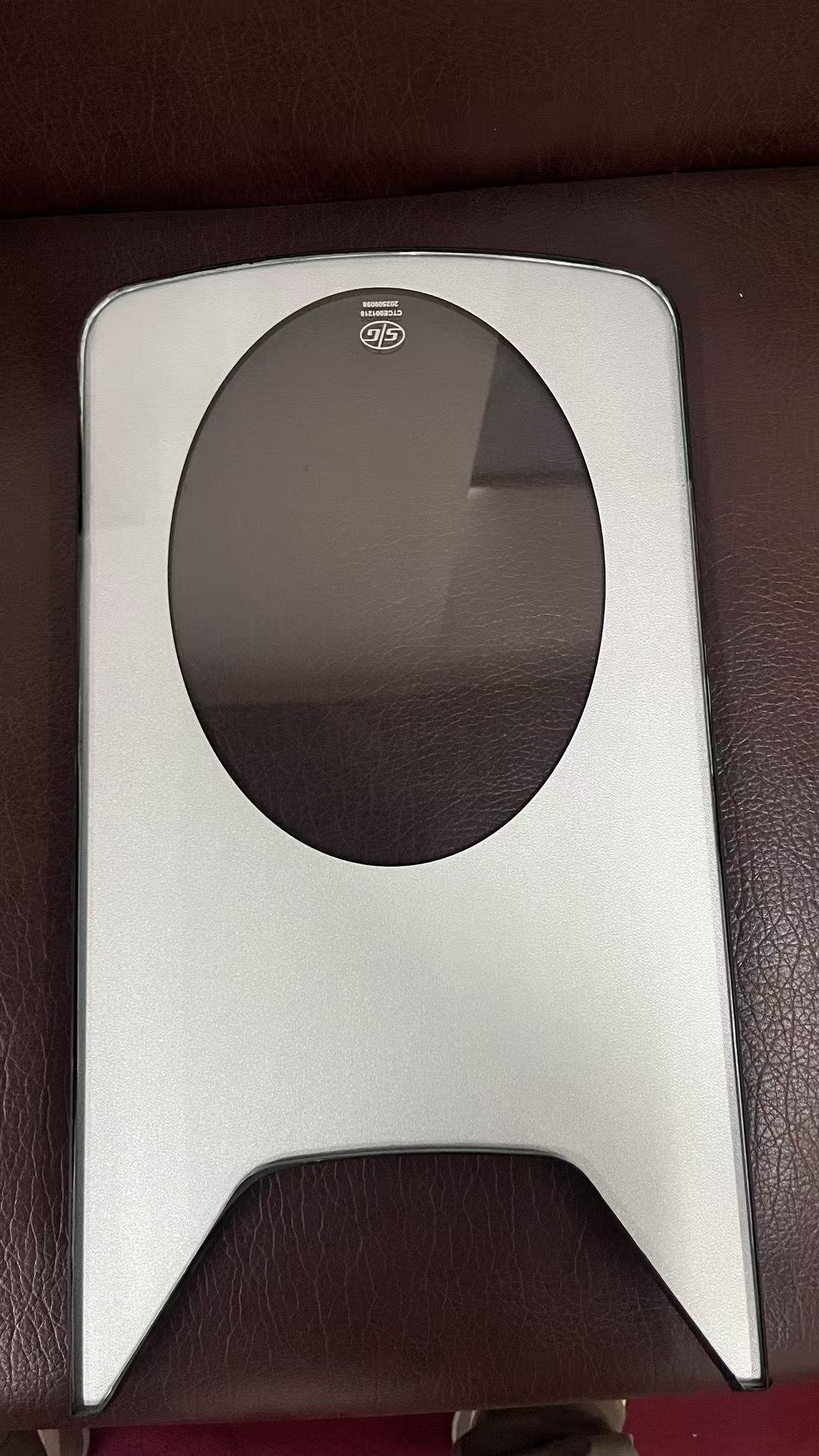
Train headlights and side lenses are specialized glass components engineered for the exterior lighting and signaling systems of locomotives, multiple units, metros, and light rail vehicles. Manufactured from toughened, borosilicate, or laminated glass, these lenses must withstand high-speed particle impact, extreme temperature swings, UV exposure, vibration, and vandalism while maintaining precise optical performance. Headlight lenses deliver homogeneous illumination and rapid intensity decrease for safe track visibility, while side lenses and signal covers ensure clear, reliable light output for signaling and marker functions. Compliant with EN 15152, GB 48005, and railway glazing standards, they are available in flat, curved, and aspherical configurations with anti-reflective, UV-filtering, and colored coatings. Ideal for OEM and aftermarket applications, these lenses combine durability, optical clarity, and weather resistance to meet the demanding requirements of modern rail operations.
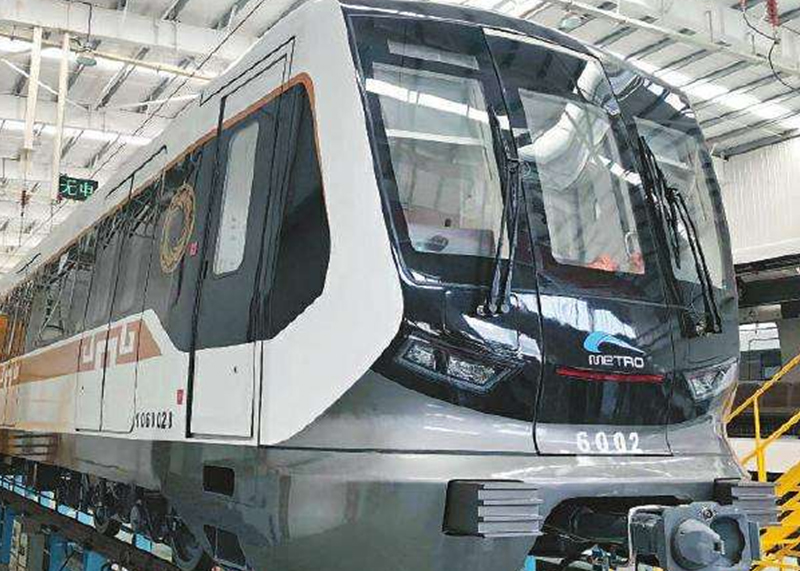
Locomotive front windscreen glass
Locomotive front windscreen glass is a high-performance safety glazing engineered for the extreme demands of rail transport. Positioned at the front of the driver's cab, it must withstand high-speed projectile impacts, gravel strikes, temperature extremes, and constant vibration while maintaining exceptional optical clarity. Manufactured from laminated glass with interlayers such as PVB, SGP, or polycarbonate composites, it complies with EN 15152, GM/RT 2456, and FRA requirements. Integrated heating systems using fine tungsten wires or transparent conductive coatings provide rapid de-icing and de-misting across the entire glass surface. Anti-spall layers prevent flying glass fragments from injuring the driver. Available in flat and curved configurations with low-emissivity coatings and wiper-friendly surfaces, locomotive front windscreen glass delivers the visibility, safety, and durability that modern rail operations demand.
Address
No. 8 Sanhe North Road, Nanhe District Industrial Park, Xingtai City, Hebei Province
+86 153 8309 2012

