

The safety of the building curtain wall is once again supported by key technologies. In view of the self-explosion hazard that traditional physical toughened glass is difficult to eradicate, Ming dun Company recently announced that its chemical toughened glass based on ion replacement technology has been applied in a large scale, providing a brand-new solution for glass safety protection in high-rise buildings and crowded areas.
For a long time, physical tempered glass has attracted much attention because of its original self-explosion rate of about three thousandths (which can be reduced to about one thousandth after homogenization). This kind of self-explosion is unpredictable. Once it happens, the glass fragments falling from the sky are like "glass rain", which poses a serious threat to personal and property safety. Although the industry continues to optimize the process, the principle of physical tempering determines that it cannot fundamentally eliminate the possibility of self-explosion.
Ming dun Company has a deep insight into this pain point and locked its research and development direction in the intrinsically safer chemical strengthening path. Through deep ion exchange, the ion tempered glass forms a high-strength compressive stress layer on the glass surface, thus greatly improving the overall toughness and impact resistance of the glass. In principle, this technical path avoids factors such as nickel sulfide impurities that lead to self-explosion of physically toughened glass, and theoretically can minimize the risk of self-explosion.
Industry experts believe that the popularization of Ming dun technology is of great significance for improving the glass safety level of public buildings, commercial complexes and high-end houses, and it is an effective measure to control the risk of glass falling from the source.
<
Technological innovation leads the industry to change, and Ming dun releases ion toughened glass to break through the bottleneck of physical toughened glass.>
Technological innovation leads the industry to change, and Ming dun releases ion toughened glass to break through the bottleneck of physical toughened glass.Latest News
Jul. 27, 2026
Mingdun fire retardant laminated bulletproof explosion-proof glass to deal with sudden fire hazardsJul. 27, 2026
Mingdun heat insulation laminated bulletproof explosion-proof glass balanced carriage temperature controlHot Product
Mingdun fire retardant laminated bulletproof explosion-proof glass to deal with sudden fire hazards
Mingdun fire retardant laminated bulletproof explosion-proof glass to deal with sudden fire hazards In view of the industrial pain point of the closed space of rail transit carriages, which is caused by the rapid melting and fragmentation of ordinary glass in case of fire, the rapid spread of open flames and high-temperature smoke, Mingdun developed a special laminated bulletproof and explosion-proof glass with high temperature resistance and flame retardancy, which was pressed by a flame-retardant adhesive layer and high-strength fireproof glass. Key words: high temperature resistance, buffering and fire prevention, emergency protection, and rail transit fire prevention.
Mingdun heat insulation laminated bulletproof explosion-proof glass balanced carriage temperature control In view of the industry pain point of high-speed rail exposed to strong light during the day, heat poured into the car through the window, air conditioning load surged, ordinary laminated glass could not block infrared heat energy, and the sweltering energy consumption in the car increased, Mingdun was equipped with a heat insulation functional laminated film to create a special heat insulation laminated bulletproof explosion-proof glass for high-speed rail. The heat insulation special laminated layer blocks the infrared radiation of sunlight, reduces the heat penetration through the window, stabilizes the internal temperature of the carriage, and reduces the energy consumption of train air conditioning. Key words: temperature control, rubber clamping, energy saving, safety and heat insulation.
Mingdun silent laminated bulletproof explosion-proof glass to create a quiet ride space
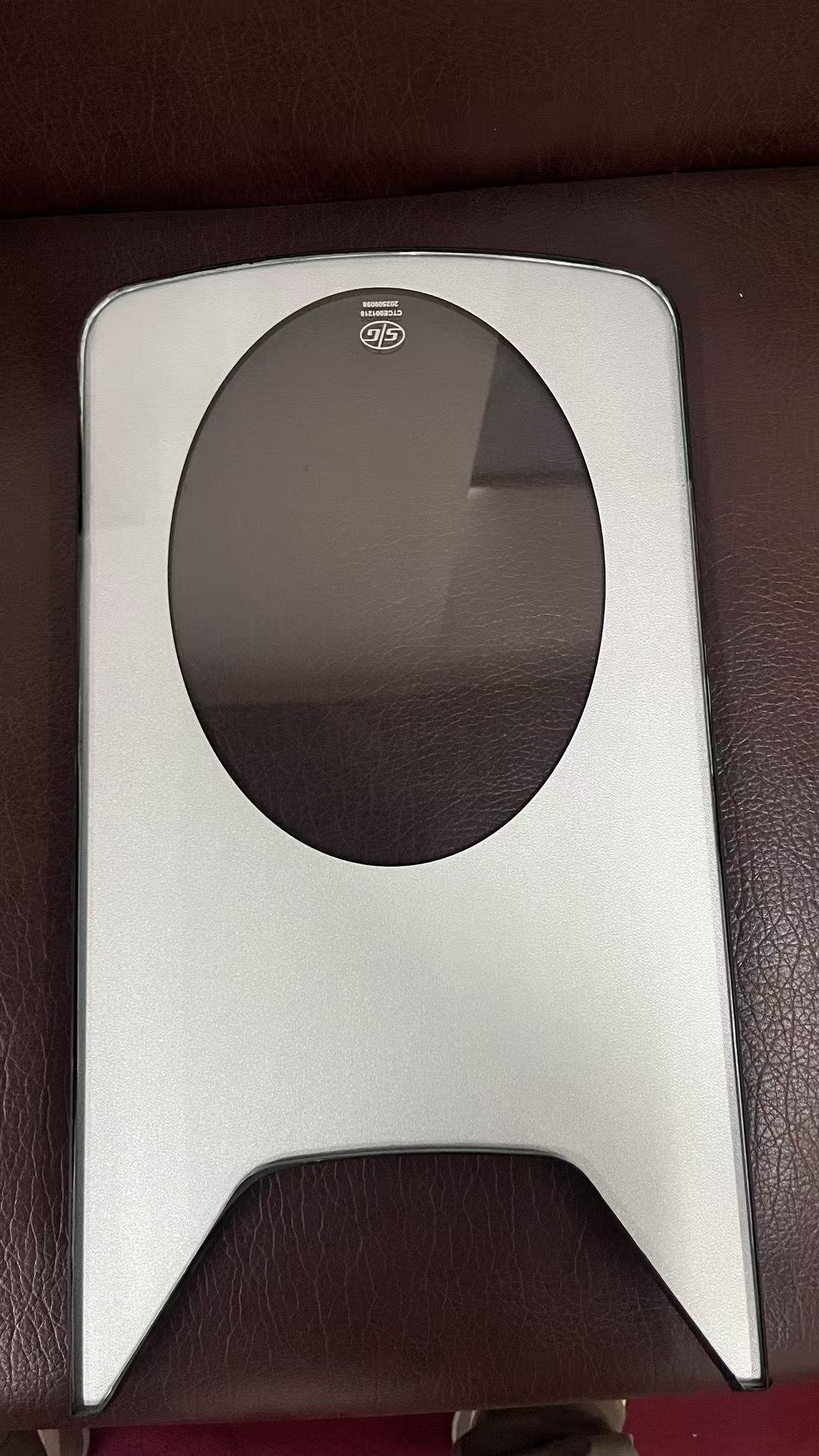
Mingdun silent laminated bulletproof explosion-proof glass to create a quiet ride space In view of the wheel-rail noise, wind noise and tunnel echo caused by high-speed running of high-speed rail, the poor sound insulation effect of ordinary single-layer/ordinary laminated glass, the noise in the car affecting passengers' rest and drivers' concentration on driving, Mingdun developed a special laminated bulletproof and explosion-proof glass with damping and sound insulation, which was combined with a multi-layer protective substrate to form. Key words: sound insulation and noise reduction, cushioning and shock absorption, silent riding and explosion protection.
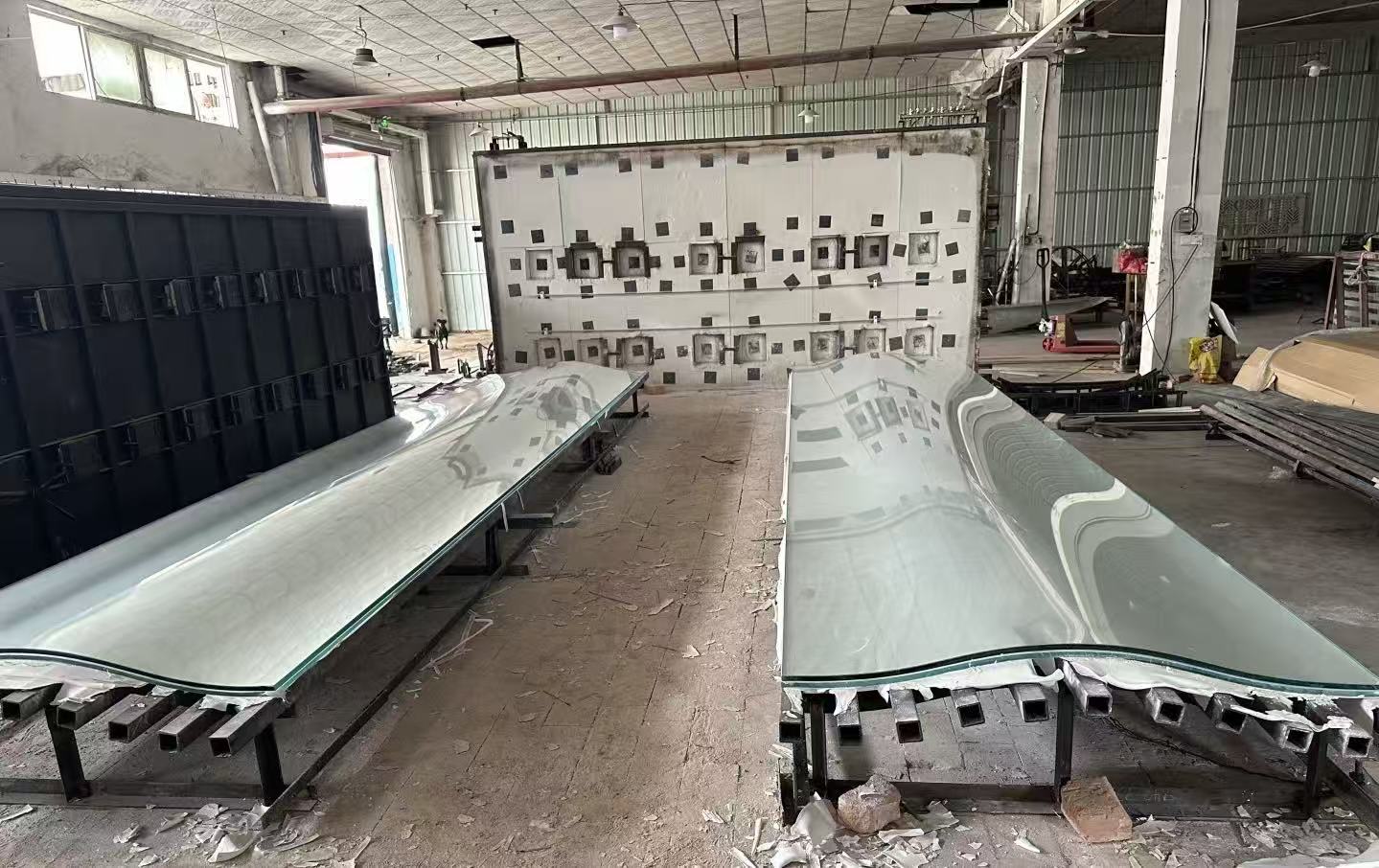
Special laminated bulletproof and explosion-proof glass for Mingdun high-speed railway to build a safety line for high-speed travel In view of the industrial pain points of the high-speed rail window, such as broken glass fragments scattered and scratched by the impact of gravel and birds, weak single-layer glass protection, and the whole piece falling off after impact, Mingdun deeply cultivated the core technology of composite laminated glass to create laminated bulletproof and explosion-proof glass for rail transit. The product adopts multiple high-strength glass substrates with high-toughness PVB explosion-proof interlayer, which is bonded and cured at high pressure and constant temperature, and the adhesive layer is closely attached to the glass without delamination and hollowing. Key words: multi-layer laminated rubber, fragment locking, integrated molding, rail crossing safety base.
Address
No. 8 Sanhe North Road, Nanhe District Industrial Park, Xingtai City, Hebei Province
+86 153 8309 2012

