

In the field of high-end functional materials, transparent and opaque anti-impact and anti-penetration technology is becoming a key index to measure the hard core strength of enterprises. As the leading enterprise of the track, Ming dun has successfully broken the long-standing technical barrier of "strength and transparency cannot be achieved at the same time" by relying on its third-generation "Ming dun Core Material System" independently developed, while maintaining the extreme lightweight.
The core technology of Ming dun is not only reflected in the physical properties of the material itself, but also in its deep processing ability. Through the original anon composite technology and precision heat treatment technology, Ming dun products can realize the spectral adjustment from complete transparency to high shielding degree according to customer's needs, and at the same time ensure that the material can effectively prevent penetration and ensure rear safety through the energy absorption and dispersion mechanism of micro structure when it is impacted by high-speed projectiles or violence.
"Our goal is not to make a' thick glass', but to create a' smart skin'." The chief technology officer of Ming dun said at a recent technical seminar that "new materials are not only physical barriers, but also evolving into intelligent materials with the functions of perception, early warning and even self-repair, which will be the focus of our research and development in the next five years."
At present, Ming dun's products have passed the most stringent protection level certification in the world, and its technical advantages are being transformed into real market competitiveness, providing customized solutions for customers in the fields of rail transit, high-end security and special vehicles.
Latest News
Jul. 27, 2026
Mingdun fire retardant laminated bulletproof explosion-proof glass to deal with sudden fire hazardsJul. 27, 2026
Mingdun heat insulation laminated bulletproof explosion-proof glass balanced carriage temperature controlHot Product
Mingdun fire retardant laminated bulletproof explosion-proof glass to deal with sudden fire hazards
Mingdun fire retardant laminated bulletproof explosion-proof glass to deal with sudden fire hazards In view of the industrial pain point of the closed space of rail transit carriages, which is caused by the rapid melting and fragmentation of ordinary glass in case of fire, the rapid spread of open flames and high-temperature smoke, Mingdun developed a special laminated bulletproof and explosion-proof glass with high temperature resistance and flame retardancy, which was pressed by a flame-retardant adhesive layer and high-strength fireproof glass. Key words: high temperature resistance, buffering and fire prevention, emergency protection, and rail transit fire prevention.
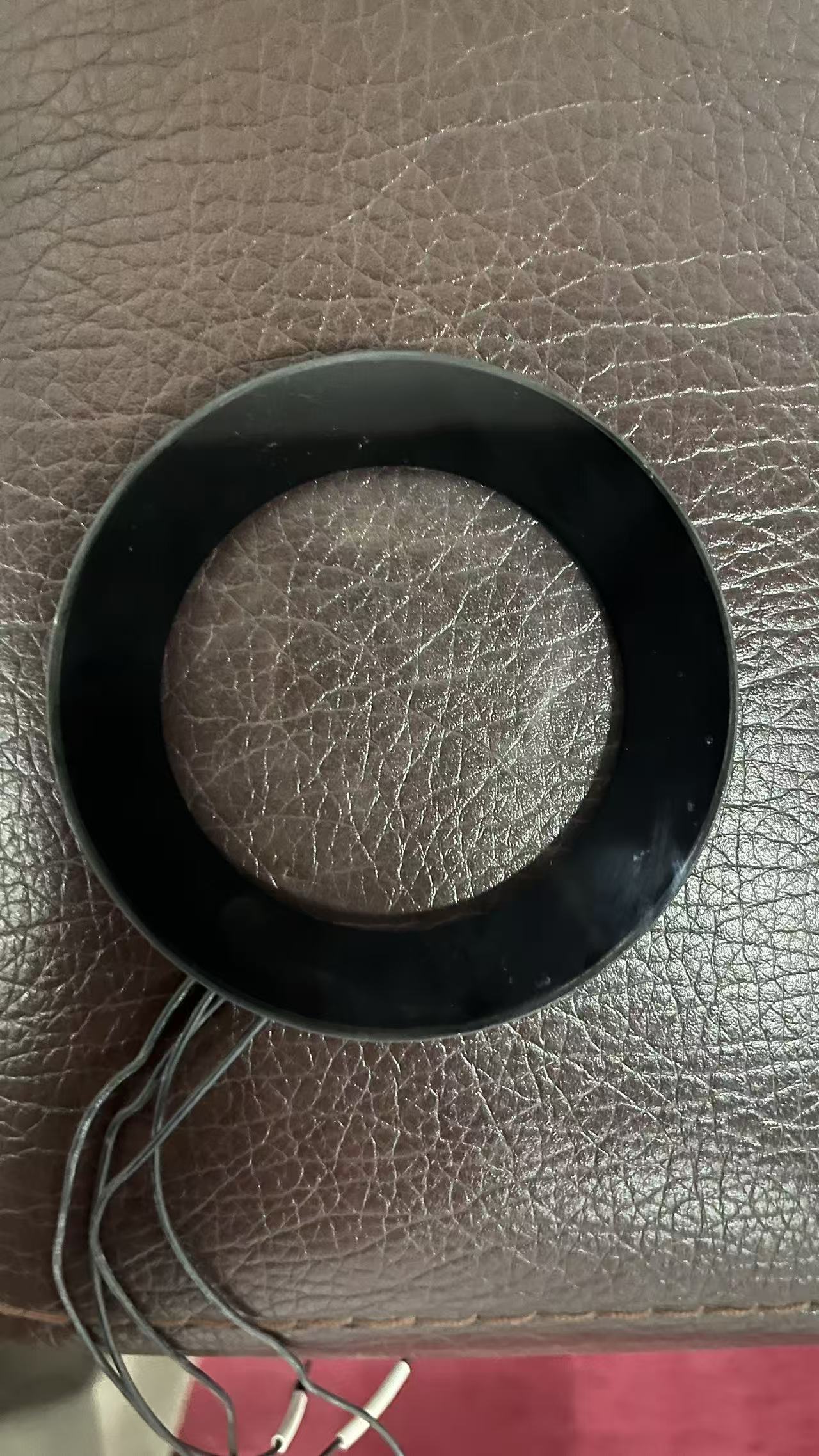
Mingdun heat insulation laminated bulletproof explosion-proof glass balanced carriage temperature control In view of the industry pain point of high-speed rail exposed to strong light during the day, heat poured into the car through the window, air conditioning load surged, ordinary laminated glass could not block infrared heat energy, and the sweltering energy consumption in the car increased, Mingdun was equipped with a heat insulation functional laminated film to create a special heat insulation laminated bulletproof explosion-proof glass for high-speed rail. The heat insulation special laminated layer blocks the infrared radiation of sunlight, reduces the heat penetration through the window, stabilizes the internal temperature of the carriage, and reduces the energy consumption of train air conditioning. Key words: temperature control, rubber clamping, energy saving, safety and heat insulation.
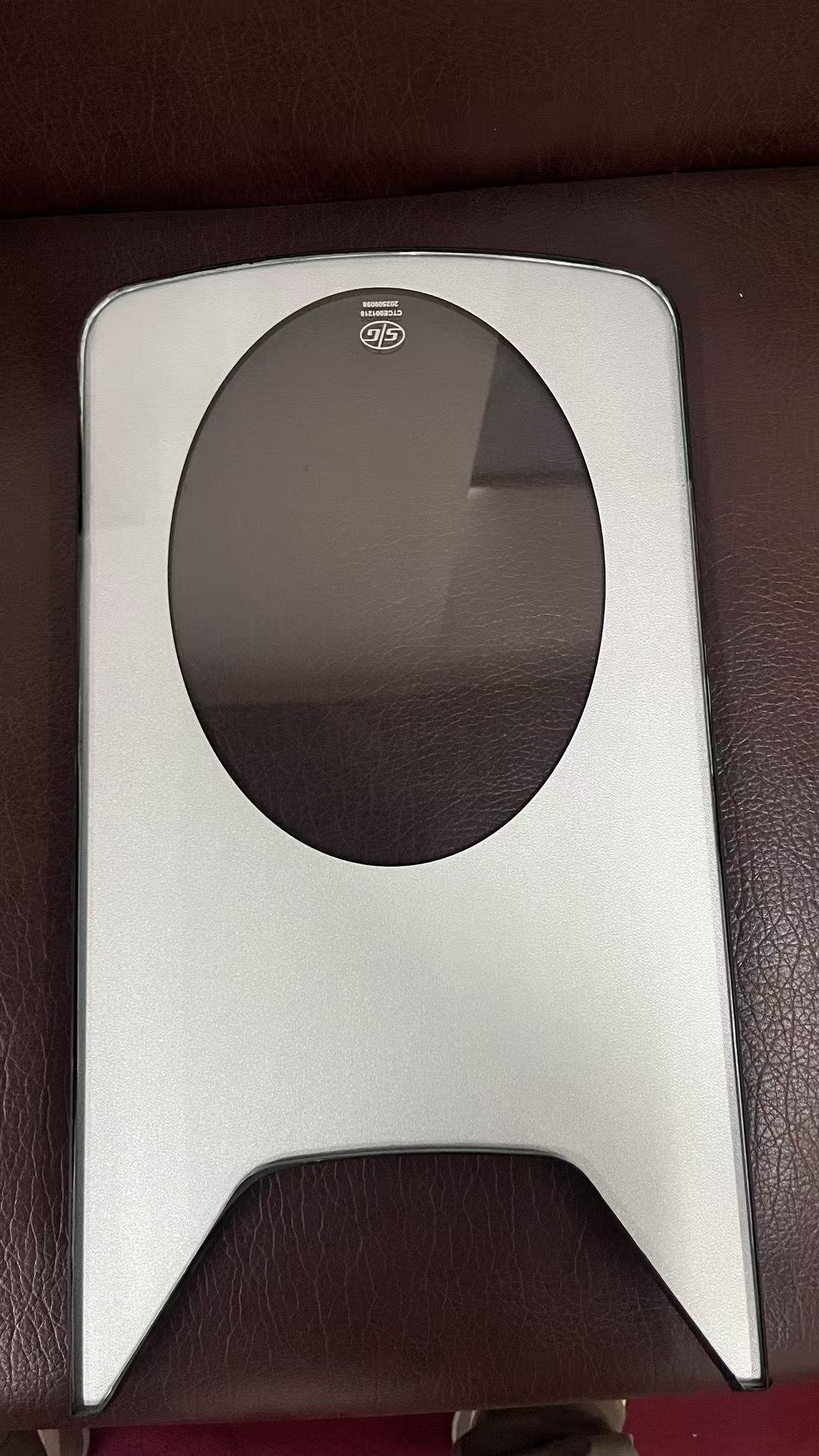
Mingdun silent laminated bulletproof explosion-proof glass to create a quiet ride space
Mingdun silent laminated bulletproof explosion-proof glass to create a quiet ride space In view of the wheel-rail noise, wind noise and tunnel echo caused by high-speed running of high-speed rail, the poor sound insulation effect of ordinary single-layer/ordinary laminated glass, the noise in the car affecting passengers' rest and drivers' concentration on driving, Mingdun developed a special laminated bulletproof and explosion-proof glass with damping and sound insulation, which was combined with a multi-layer protective substrate to form. Key words: sound insulation and noise reduction, cushioning and shock absorption, silent riding and explosion protection.
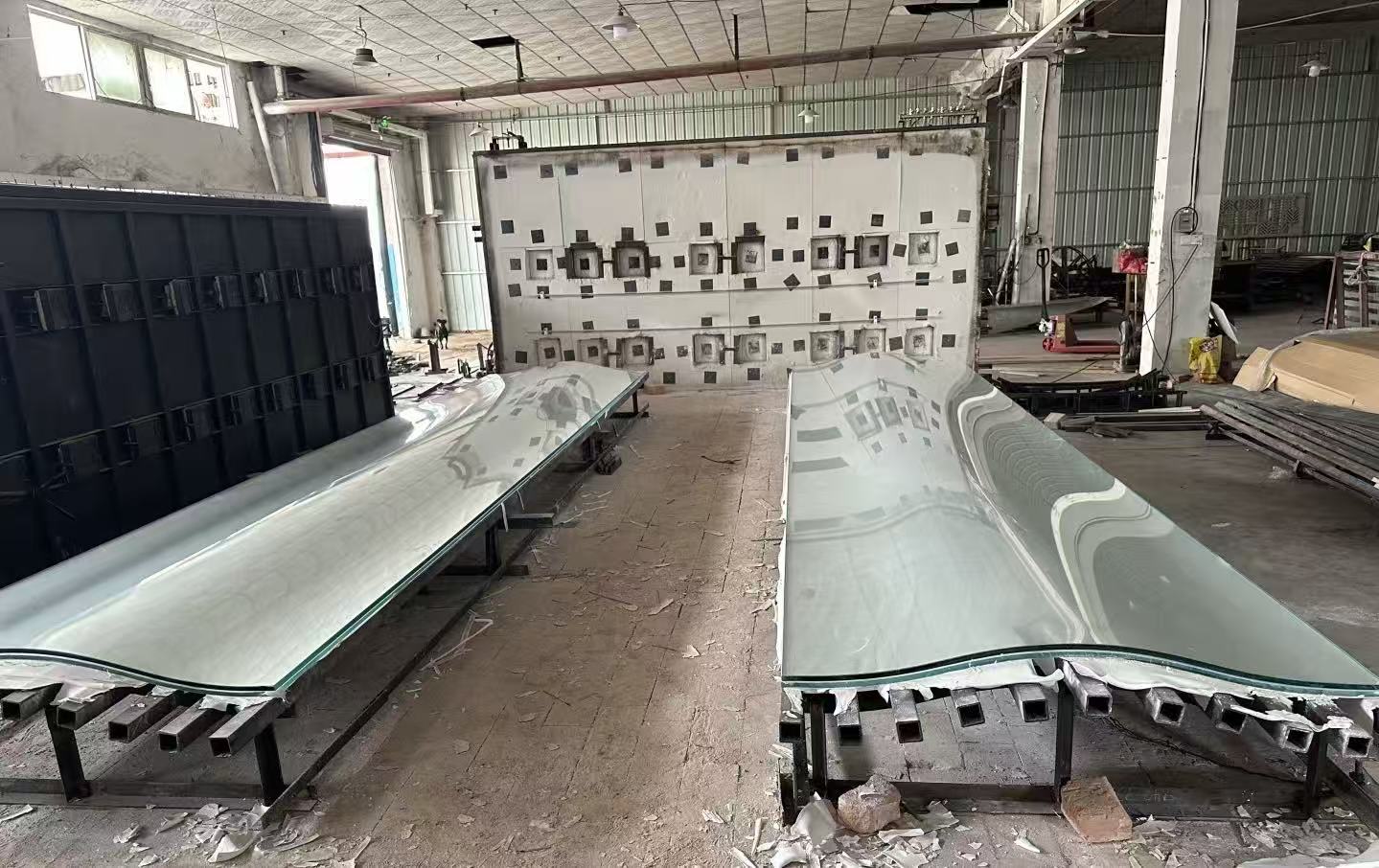
Special laminated bulletproof and explosion-proof glass for Mingdun high-speed railway to build a safety line for high-speed travel In view of the industrial pain points of the high-speed rail window, such as broken glass fragments scattered and scratched by the impact of gravel and birds, weak single-layer glass protection, and the whole piece falling off after impact, Mingdun deeply cultivated the core technology of composite laminated glass to create laminated bulletproof and explosion-proof glass for rail transit. The product adopts multiple high-strength glass substrates with high-toughness PVB explosion-proof interlayer, which is bonded and cured at high pressure and constant temperature, and the adhesive layer is closely attached to the glass without delamination and hollowing. Key words: multi-layer laminated rubber, fragment locking, integrated molding, rail crossing safety base.
Address
No. 8 Sanhe North Road, Nanhe District Industrial Park, Xingtai City, Hebei Province
+86 153 8309 2012

