

The lightweight breakthrough of Ming Shield bullet-proof glass stems from its unique composite structure design. The company uses the invention patent of composite bullet-proof glass independently developed to compound high-strength PC organic materials with glass, which significantly improves the overall strength and greatly reduces the product weight-the weight of PC is less than half of that of glass at the same thickness. This not only reduces the bearing pressure of the door and window system, but also provides greater flexibility for architectural design.
In terms of energy conservation and environmental protection, Ming dun bullet-proof glass also shows bright eyes. According to statistics, about 35% of heat in ordinary buildings is lost through doors and windows. Ming dun products adopt hollow composite structure, combined with its excellent thermal insulation characteristics, and successfully reduce this heat loss ratio to less than 10%. This means that users can greatly reduce the energy consumption of air conditioning in winter and summer, and achieve significant energy saving and emission reduction effects.
It is worth mentioning that Ming Shield bullet-proof glass also has good sound insulation performance, and with its high-strength physical characteristics, it creates a quiet, comfortable and safe indoor environment for residents.
Ming dun Company's design concept of "thinnest in the same class and lightest in the same thickness" not only solves the traditional pain point of "heavy" bulletproof glass, but also helps the development of green buildings through excellent thermal insulation ability, showing the innovative value of safety products in sustainable development.
Latest News
Jul. 27, 2026
Mingdun fire retardant laminated bulletproof explosion-proof glass to deal with sudden fire hazardsJul. 27, 2026
Mingdun heat insulation laminated bulletproof explosion-proof glass balanced carriage temperature controlHot Product
Mingdun fire retardant laminated bulletproof explosion-proof glass to deal with sudden fire hazards
Mingdun fire retardant laminated bulletproof explosion-proof glass to deal with sudden fire hazards In view of the industrial pain point of the closed space of rail transit carriages, which is caused by the rapid melting and fragmentation of ordinary glass in case of fire, the rapid spread of open flames and high-temperature smoke, Mingdun developed a special laminated bulletproof and explosion-proof glass with high temperature resistance and flame retardancy, which was pressed by a flame-retardant adhesive layer and high-strength fireproof glass. Key words: high temperature resistance, buffering and fire prevention, emergency protection, and rail transit fire prevention.
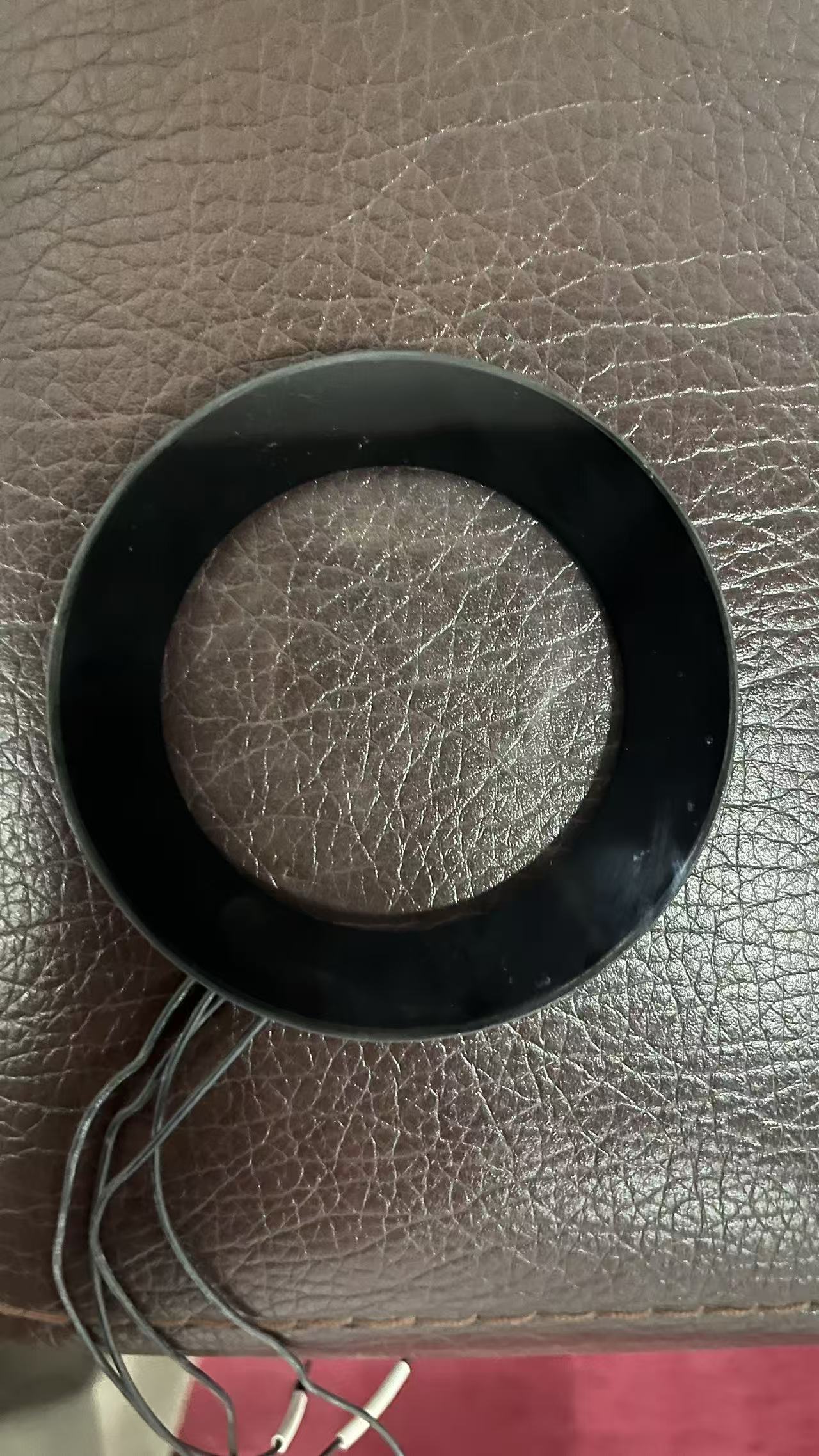
Mingdun heat insulation laminated bulletproof explosion-proof glass balanced carriage temperature control In view of the industry pain point of high-speed rail exposed to strong light during the day, heat poured into the car through the window, air conditioning load surged, ordinary laminated glass could not block infrared heat energy, and the sweltering energy consumption in the car increased, Mingdun was equipped with a heat insulation functional laminated film to create a special heat insulation laminated bulletproof explosion-proof glass for high-speed rail. The heat insulation special laminated layer blocks the infrared radiation of sunlight, reduces the heat penetration through the window, stabilizes the internal temperature of the carriage, and reduces the energy consumption of train air conditioning. Key words: temperature control, rubber clamping, energy saving, safety and heat insulation.
Mingdun silent laminated bulletproof explosion-proof glass to create a quiet ride space
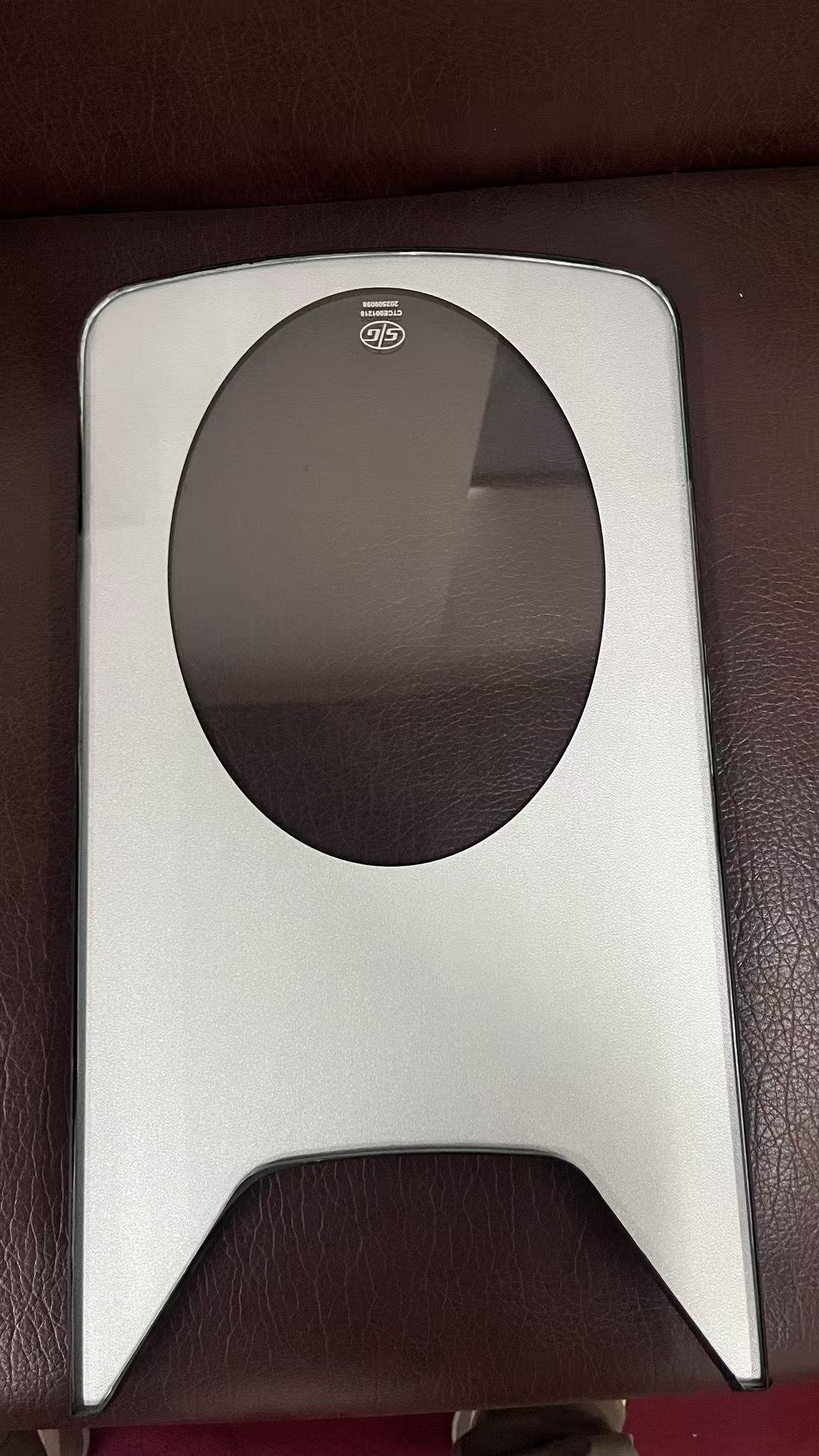
Mingdun silent laminated bulletproof explosion-proof glass to create a quiet ride space In view of the wheel-rail noise, wind noise and tunnel echo caused by high-speed running of high-speed rail, the poor sound insulation effect of ordinary single-layer/ordinary laminated glass, the noise in the car affecting passengers' rest and drivers' concentration on driving, Mingdun developed a special laminated bulletproof and explosion-proof glass with damping and sound insulation, which was combined with a multi-layer protective substrate to form. Key words: sound insulation and noise reduction, cushioning and shock absorption, silent riding and explosion protection.
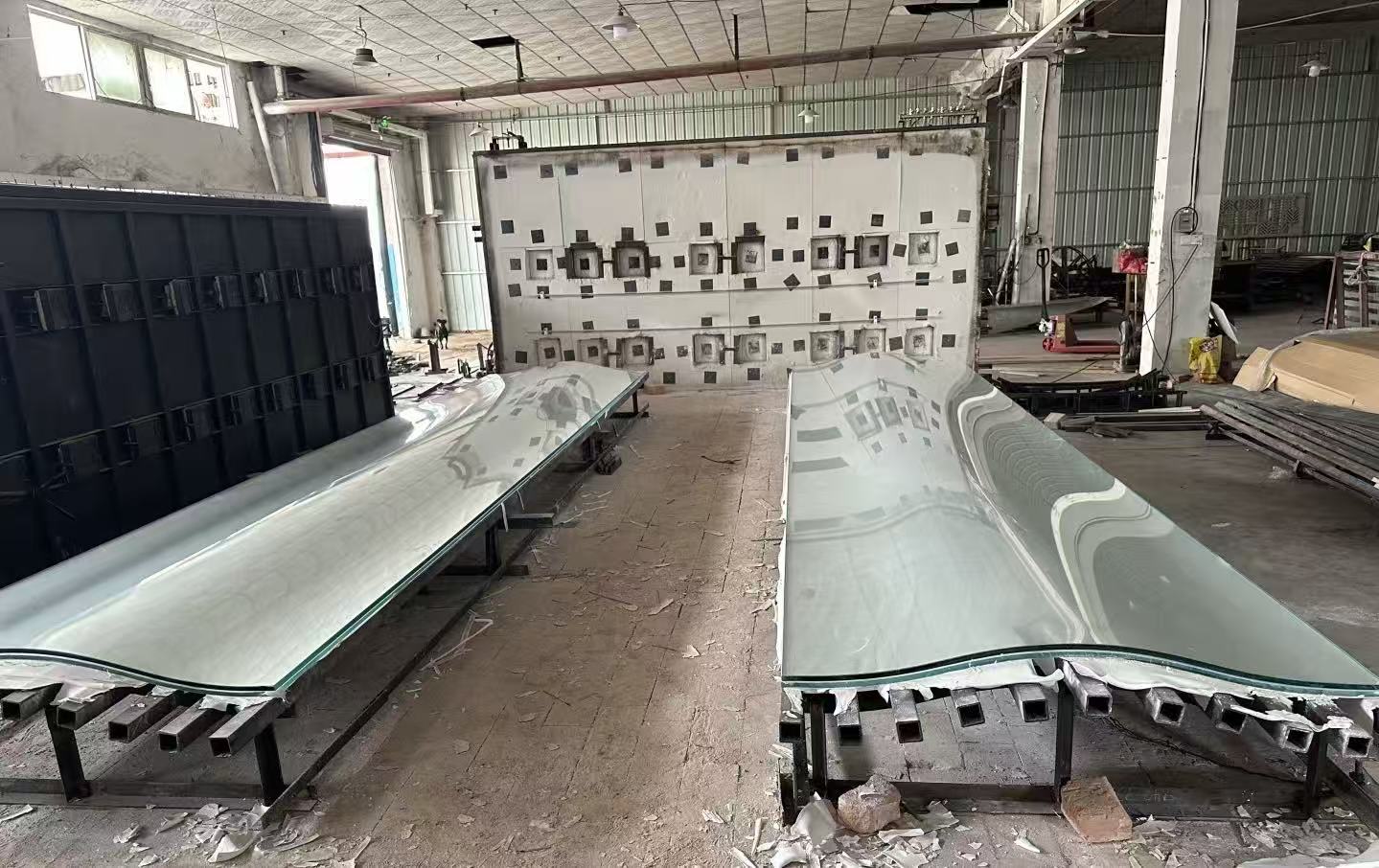
Special laminated bulletproof and explosion-proof glass for Mingdun high-speed railway to build a safety line for high-speed travel In view of the industrial pain points of the high-speed rail window, such as broken glass fragments scattered and scratched by the impact of gravel and birds, weak single-layer glass protection, and the whole piece falling off after impact, Mingdun deeply cultivated the core technology of composite laminated glass to create laminated bulletproof and explosion-proof glass for rail transit. The product adopts multiple high-strength glass substrates with high-toughness PVB explosion-proof interlayer, which is bonded and cured at high pressure and constant temperature, and the adhesive layer is closely attached to the glass without delamination and hollowing. Key words: multi-layer laminated rubber, fragment locking, integrated molding, rail crossing safety base.
Address
No. 8 Sanhe North Road, Nanhe District Industrial Park, Xingtai City, Hebei Province
+86 153 8309 2012

