

Bearing capacity is one of the core indexes to measure the safety performance of glass. The strength of traditional physical tempered glass is improved by surface compressive stress, but its stress layer is relatively shallow and there is a tensile stress zone. Once the surface is broken (such as being hit by a sharp object or generating deep scratches), the whole structure is prone to catastrophic crushing. The excellent impact resistance of Ming dun ion tempered glass stems from its unique "embedded extrusion stress" mechanism. In the process of ion replacement, larger potassium ions "squeeze into" the silicon-oxygen network structure on the glass surface, occupying the original position of sodium ions. This "embedding" action leads to the outward expansion force of the glass surface network structure, thus forming a continuous and deep compressive stress field on the surface. This stress field is "embedded" in the material, and the depth is usually several times that of physical tempering. When the external impact load acts on the glass, its energy is first effectively absorbed and dispersed by this deep and high-strength compressive stress layer. Compared with physical tempered glass, Ming-dun ion tempered glass needs more energy to overcome this layer of "defense", thus improving its bending strength, impact strength and surface damage resistance geometrically. The experimental data show that its impact resistance can reach 3-5 times or even higher than that of ordinary physical tempered glass. This performance leap brought by the basic principle enables Ming Shield glass to withstand more severe impact and higher load, and provides a stronger barrier for people and property under extreme conditions such as strong wind, hail and even accidental impact.
Latest News
Jul. 27, 2026
Mingdun fire retardant laminated bulletproof explosion-proof glass to deal with sudden fire hazardsJul. 27, 2026
Mingdun heat insulation laminated bulletproof explosion-proof glass balanced carriage temperature controlHot Product
Mingdun fire retardant laminated bulletproof explosion-proof glass to deal with sudden fire hazards
Mingdun fire retardant laminated bulletproof explosion-proof glass to deal with sudden fire hazards In view of the industrial pain point of the closed space of rail transit carriages, which is caused by the rapid melting and fragmentation of ordinary glass in case of fire, the rapid spread of open flames and high-temperature smoke, Mingdun developed a special laminated bulletproof and explosion-proof glass with high temperature resistance and flame retardancy, which was pressed by a flame-retardant adhesive layer and high-strength fireproof glass. Key words: high temperature resistance, buffering and fire prevention, emergency protection, and rail transit fire prevention.
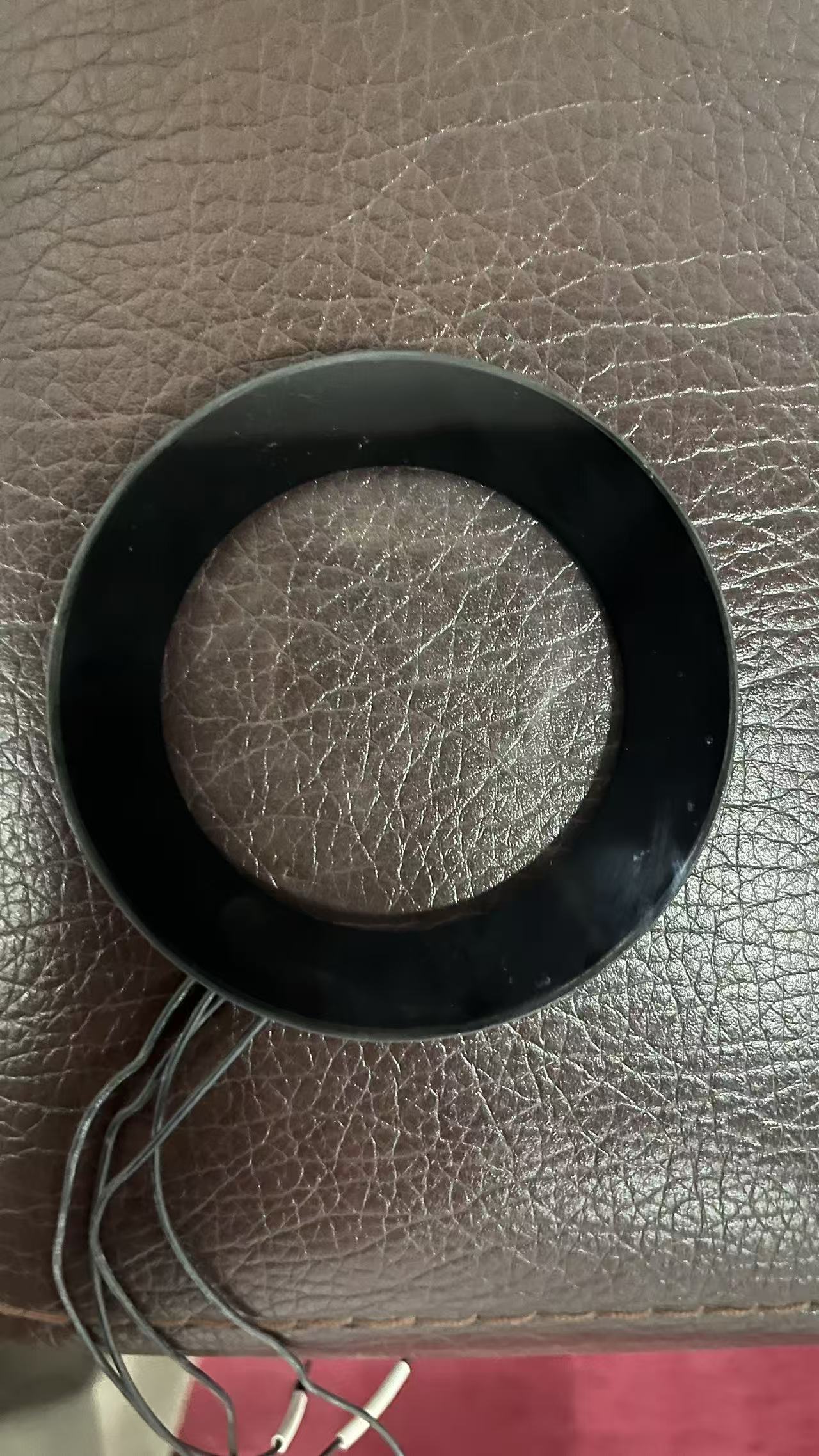
Mingdun heat insulation laminated bulletproof explosion-proof glass balanced carriage temperature control In view of the industry pain point of high-speed rail exposed to strong light during the day, heat poured into the car through the window, air conditioning load surged, ordinary laminated glass could not block infrared heat energy, and the sweltering energy consumption in the car increased, Mingdun was equipped with a heat insulation functional laminated film to create a special heat insulation laminated bulletproof explosion-proof glass for high-speed rail. The heat insulation special laminated layer blocks the infrared radiation of sunlight, reduces the heat penetration through the window, stabilizes the internal temperature of the carriage, and reduces the energy consumption of train air conditioning. Key words: temperature control, rubber clamping, energy saving, safety and heat insulation.
Mingdun silent laminated bulletproof explosion-proof glass to create a quiet ride space
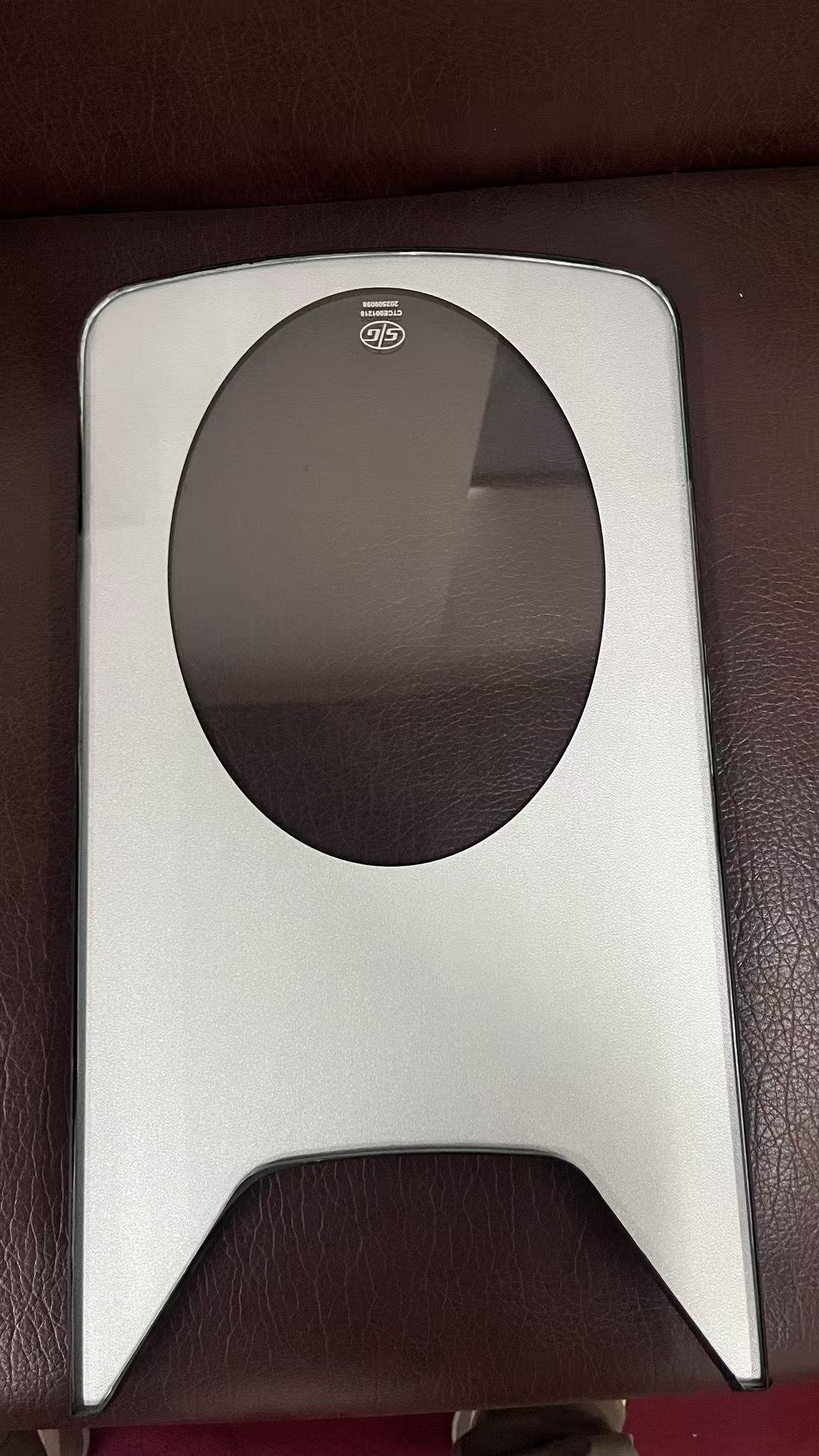
Mingdun silent laminated bulletproof explosion-proof glass to create a quiet ride space In view of the wheel-rail noise, wind noise and tunnel echo caused by high-speed running of high-speed rail, the poor sound insulation effect of ordinary single-layer/ordinary laminated glass, the noise in the car affecting passengers' rest and drivers' concentration on driving, Mingdun developed a special laminated bulletproof and explosion-proof glass with damping and sound insulation, which was combined with a multi-layer protective substrate to form. Key words: sound insulation and noise reduction, cushioning and shock absorption, silent riding and explosion protection.
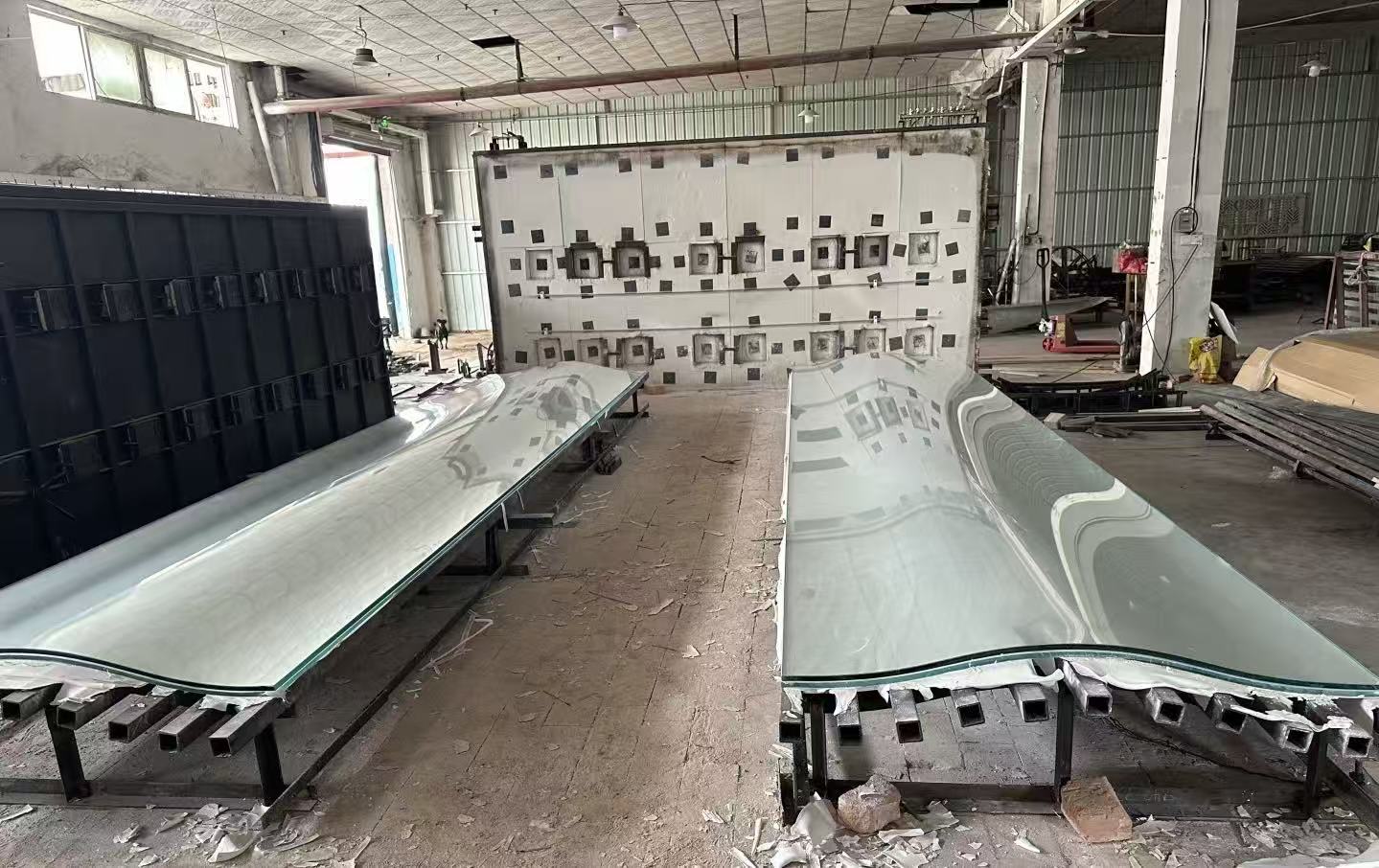
Special laminated bulletproof and explosion-proof glass for Mingdun high-speed railway to build a safety line for high-speed travel In view of the industrial pain points of the high-speed rail window, such as broken glass fragments scattered and scratched by the impact of gravel and birds, weak single-layer glass protection, and the whole piece falling off after impact, Mingdun deeply cultivated the core technology of composite laminated glass to create laminated bulletproof and explosion-proof glass for rail transit. The product adopts multiple high-strength glass substrates with high-toughness PVB explosion-proof interlayer, which is bonded and cured at high pressure and constant temperature, and the adhesive layer is closely attached to the glass without delamination and hollowing. Key words: multi-layer laminated rubber, fragment locking, integrated molding, rail crossing safety base.
Address
No. 8 Sanhe North Road, Nanhe District Industrial Park, Xingtai City, Hebei Province
+86 153 8309 2012

