

High Security Glazing
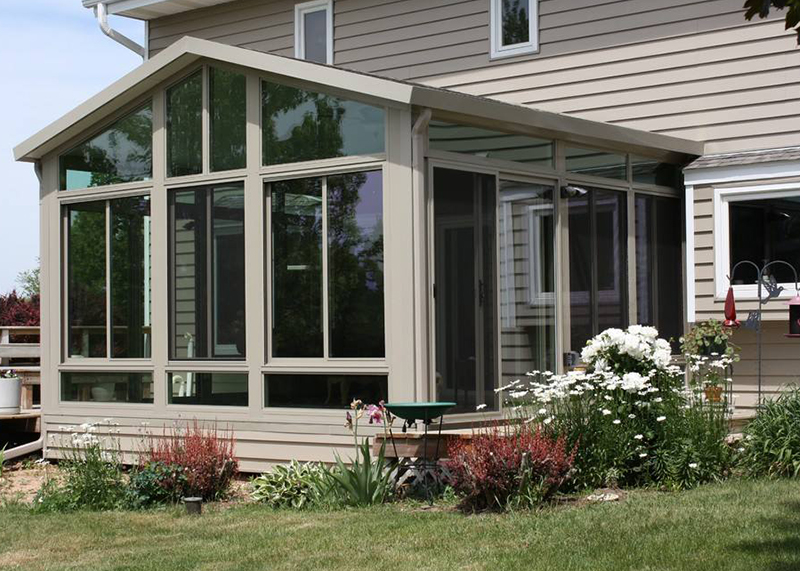

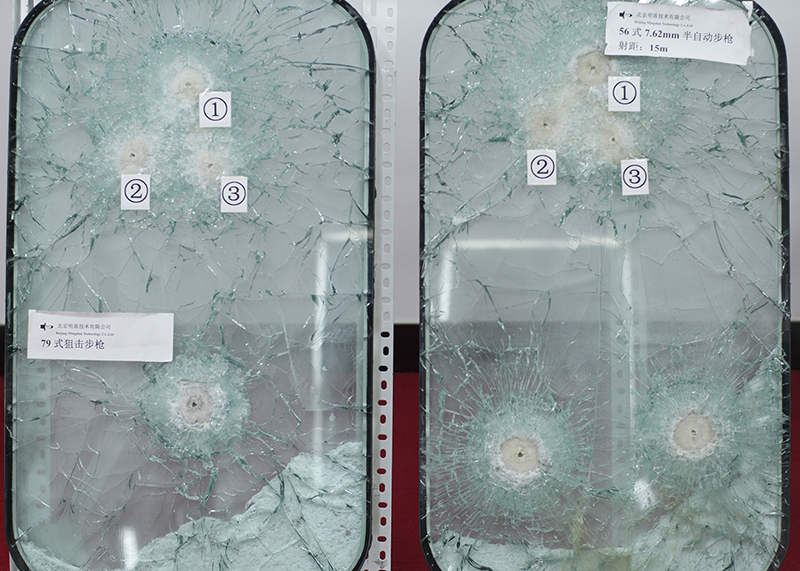
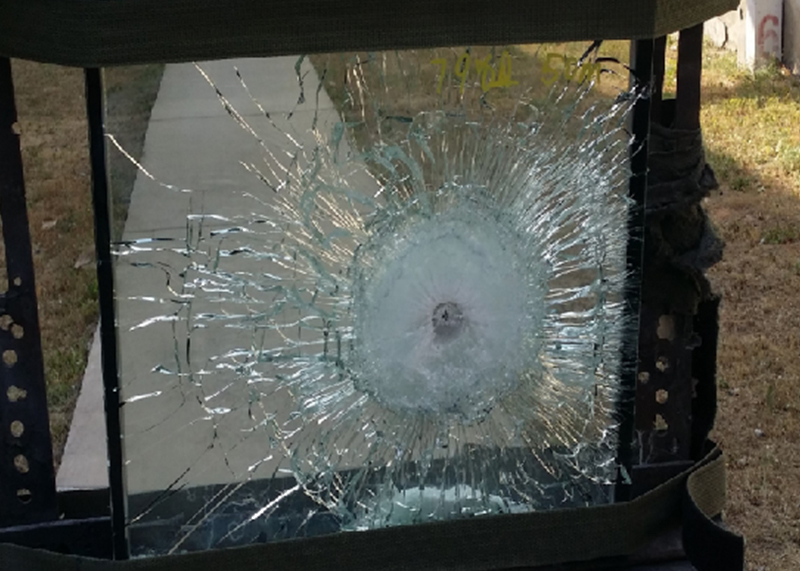
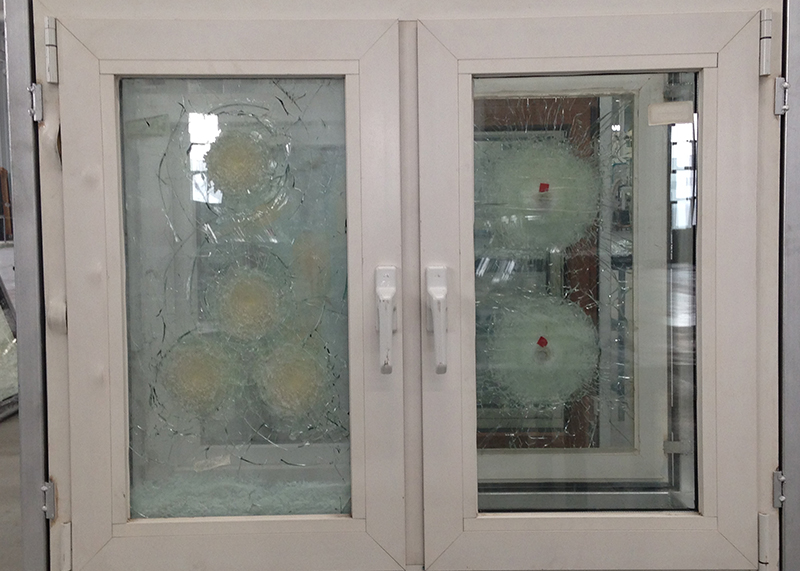



Bulletproof and high-impact resistant glass is a specialized security glazing engineered to stop projectiles, absorb impact, and resist forced entry. It is typically made by laminating multiple layers of glass with tough interlayers such as PVB, SGP, TPU, or polycarbonate, sometimes combined with acrylic or polycarbonate sheets. This construction distributes impact energy, prevents penetration, and holds fragments together, protecting people and property. Available in transparent, tinted, and one-way vision options, it can be tested to ballistic standards such as UL 752, EN 1063, and ASTM, as well as forced-entry standards like EN 356. Applications include banks, embassies, government buildings, courtrooms, jewelry stores, cash-in-transit vehicles, armored cars, and VIP transport. It can be curved, insulated, and integrated with access control, intercoms, and voice transmission systems. Customizable in thickness, protection level, and optical performance, it delivers reliable security without sacrificing visibility.
Product Detail
Bulletproof and high-impact resistant glass is a multi-layer security glazing designed to resist ballistic threats, forced entry, and severe impact. It is not a single sheet of glass but a composite assembly that combines glass, interlayers, and sometimes polycarbonate or acrylic to absorb and disperse energy.
The term "bulletproof" is commonly used, but "bullet resistant" is more accurate because protection depends on the threat level, ammunition type, angle, and distance. High-impact resistant glass focuses on withstanding blunt force, repeated attacks, and extreme loads such as blasts or storm debris.
These glazing systems are used wherever security, visibility, and durability are critical.
Multiple glass layers are bonded with strong interlayers.
Interlayers absorb energy and hold fragments together.
Polycarbonate or acrylic layers add impact and spall resistance.
The assembly distributes projectile energy across a wider area.
The glass may crack, but it resists penetration.
A "spall shield" can be added to prevent flying glass on the protected side.
Frames and anchoring must match the glazing's protection level.
Protection depends on the complete system: glazing, frame, sealant, and installation.
Standard security and safety glazing
Good optical clarity
Moderate forced-entry resistance
Higher strength and stiffness
Better structural and impact performance
Common in high-security and architectural applications
Excellent ballistic and impact resistance
Lightweight compared to all-glass assemblies
Used in banks, vehicles, and guards
Combines scratch resistance and ballistic performance
Common in teller windows and secure counters
Lightweight and extremely impact resistant
Lower optical clarity than glass
Used in riot and correctional glazing
Ballistic protection to UL 752, EN 1063, ASTM, and other standards
Forced-entry resistance to EN 356 and similar standards
Blast resistance options for high-risk facilities
High optical clarity with minimal distortion
UV filtering and solar control options
Acoustic insulation options
Curved and shaped assemblies available
Insulated glass units for thermal performance
Voice transmission and intercom integration
One-way vision and privacy options
Stops or slows projectiles and prevents flying glass, protecting occupants.
Resists forced entry, smash-and-grab attacks, and vandalism.
Visible security glazing discourages potential attackers.
Can be clear, tinted, curved, insulated, and integrated with access systems.
Available in configurations tested to recognized security standards.
Durable construction with minimal maintenance when properly installed.
| Standard | Region | Typical Levels |
|---|---|---|
| UL 752 | North America | Levels 1–10 |
| EN 1063 | Europe | BR1–BR7 |
| ASTM F1233 | North America | Forced entry |
| EN 356 | Europe | P1A–P8B |
| STANAG 4569 | NATO | Military ballistic |
| NIJ 0108.01 | USA | Ballistic resistance |
| ISO 16933 | International | Blast resistance |
Protection levels depend on ammunition type, caliber, number of shots, and angle of attack. Always confirm project requirements with a qualified security consultant.
EN 356: Tests resistance to manual attack, including hammer, axe, and crowbar.
ASTM F1233: Standard test for security glazing against forced entry.
EN 12600: Pendulum impact for safety glazing classification.
Blast Standards: ISO 16933, ASTM F1642, and GSA conditions.
Bank teller windows
Cash counters and vault glazing
Embassy and consulate windows
Courtrooms and detention facilities
Government offices and military bases
Jewelry stores
Luxury retail display cases
Pawn shops and pharmacies
ATM enclosures
Museum and gallery vitrines
Armored cars and cash-in-transit vehicles
VIP and diplomatic vehicles
Police and military vehicles
Buses and trains in high-risk areas
Marine and yacht glazing
Data centers
Control rooms
Power plants
Airports and border control
Prisons and correctional facilities
| Parameter | Typical Range |
|---|---|
| Glass Types | Soda-lime, borosilicate, chemically strengthened |
| Thickness | 12–100+ mm, depending on protection level |
| Interlayers | PVB, SGP, TPU, EVA |
| Polymer Layers | Polycarbonate, acrylic |
| Light Transmission | 60–90%, depending on configuration |
| UV Protection | Up to 99% |
| Sound Reduction | Up to 40+ dB with acoustic interlayers |
| Curvature | Flat, curved, custom shapes |
| Standards | UL 752, EN 1063, EN 356, ASTM, ISO |
| Options | Insulated, tinted, one-way vision, spall shield |
Protection level and threat rating
Size, shape, and curvature
Clear, tinted, reflective, or low-e glass
One-way vision and privacy films
Spall shield for protected-side safety
Voice transmission panels and intercoms
Insulated glass units for thermal control
Acoustic interlayers for sound reduction
Integration with access control and alarms
Custom frames and anchoring systems
Security glazing must be installed as a complete system:
Frames must match the glazing's protection level.
Anchors must resist the same threat as the glass.
Sealants must be compatible with security interlayers.
Gaskets and setting blocks must not create weak points.
Installation should be performed by qualified security glazing contractors.
All components should be tested and certified together.
A bullet-resistant pane in a weak frame offers limited protection.
Ballistic testing to recognized standards
Forced-entry and impact testing
Blast testing where required
Optical clarity and distortion checks
Delamination and adhesion testing
Thermal and UV aging tests
Dimensional and tolerance inspection
Certification and traceability documentation
Suppliers should provide test reports, certificates, and samples for approval.
Clean with non-abrasive glass cleaners and soft cloths.
Avoid scrapers, blades, and abrasive pads.
Inspect edges, seals, and frames periodically.
Check for delamination, cracks, or impact damage.
Repair or replace damaged units promptly.
Do not drill, cut, or modify security glazing after installation.
Keep records of inspections and maintenance.
1. Is bulletproof glass really bulletproof?
No glass is truly bulletproof. It is bullet resistant and rated for specific threats and conditions.
2. What is the difference between bulletproof and high-impact resistant glass?
Bulletproof glass resists projectiles. High-impact glass resists blunt force, forced entry, and severe impacts.
3. Can bullet resistant glass be cut or drilled?
No. It must be fabricated to final size before lamination and cannot be modified afterward.
4. How thick is bulletproof glass?
It can range from about 12 mm to over 100 mm, depending on the protection level.
5. Does bulletproof glass stop all bullets?
No. Protection depends on the standard, caliber, ammunition, number of shots, and angle.
6. Can it be curved?
Yes. Curved bullet resistant glass is available for vehicles and architectural applications.
7. Is it energy efficient?
Insulated security glass units can provide thermal performance along with protection.
8. Can it be used in vehicles?
Yes. Armored vehicles use ballistic glazing tested to automotive and military standards.
We always need your help to expand and develop our business. If you are interested in our products or are interested in becoming our partner, please click the button below and our team will contact you as soon as possible.
Related Product
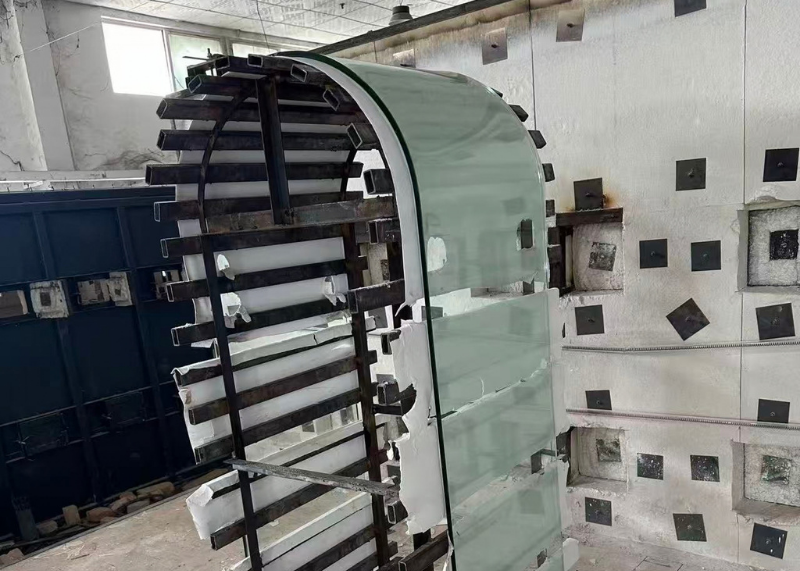
Bent Chemically Strengthened Glass
Bent chemically strengthened glass is a high-performance curved glass produced by shaping glass into precise 2D or 3D curves, then strengthening it through ion exchange. In this process, smaller sodium ions are replaced by larger potassium ions, creating a deep compressive layer that improves scratch, impact, and flexural resistance. This allows thin, lightweight glass to achieve exceptional strength while maintaining optical clarity and design freedom. Unlike thermally tempered curved glass, chemically strengthened glass can be made thinner, with tighter bend radii and complex geometries, making it ideal for automotive displays, curved touch screens, smart appliances, medical devices, and premium architectural interiors. It can be combined with anti-glare, anti-fingerprint, anti-reflective, and low-e coatings. Customizable in thickness, curvature, shape, and surface finish, it supports edge polishing, printing, and lamination. For designers seeking durable, elegant, and lightweight curved glass, bent chemically strengthened glass offers a versatile, future-ready solution.
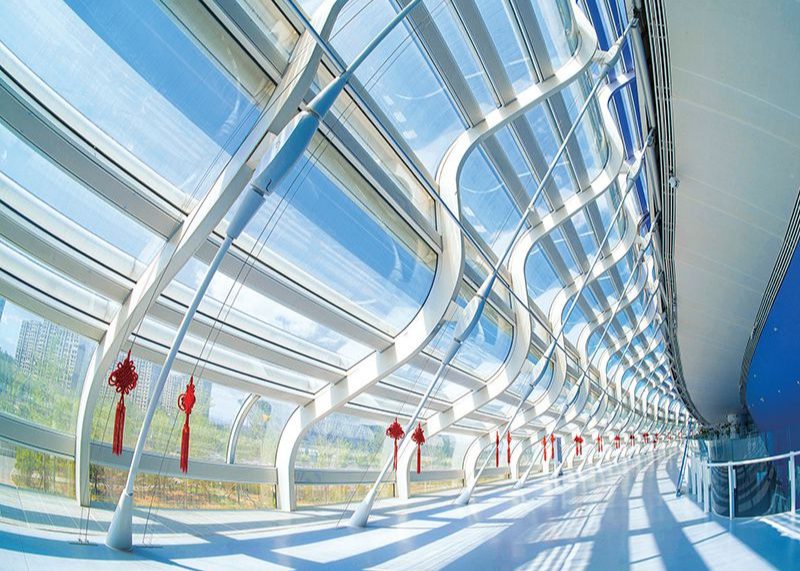
Chemically strengthened glass is a high-performance glass produced by ion exchange, where sodium ions are replaced by larger potassium ions to create a deep compressive stress layer. This makes thin glass stronger, more scratch-resistant, and more impact-resistant while preserving optical clarity. In architecture, it supports slim facades, partitions, balustrades, and doors when laminated for safety. In rail transport, it is used in windows, door vision panels, interior partitions, and display covers, helping meet demanding impact, fire, and durability requirements. In security, it forms a key component of laminated forced-entry and ballistic-resistant glazing, reducing weight and thickness while improving attack resistance. It can be coated, printed, curved, and laminated with PVB, SGP, or polycarbonate. Unlike thermally tempered glass, it can be processed before strengthening and offers excellent strength in thin formats. It is a versatile solution for safer, lighter, and more design-driven glazing across architecture, rail, and security.
Address
No. 8 Sanhe North Road, Nanhe District Industrial Park, Xingtai City, Hebei Province
+86 153 8309 2012

