
High Security Glazing

PRODUCT CATEGORY

High Security Glazing

Bent Chemically Strengthened Glass

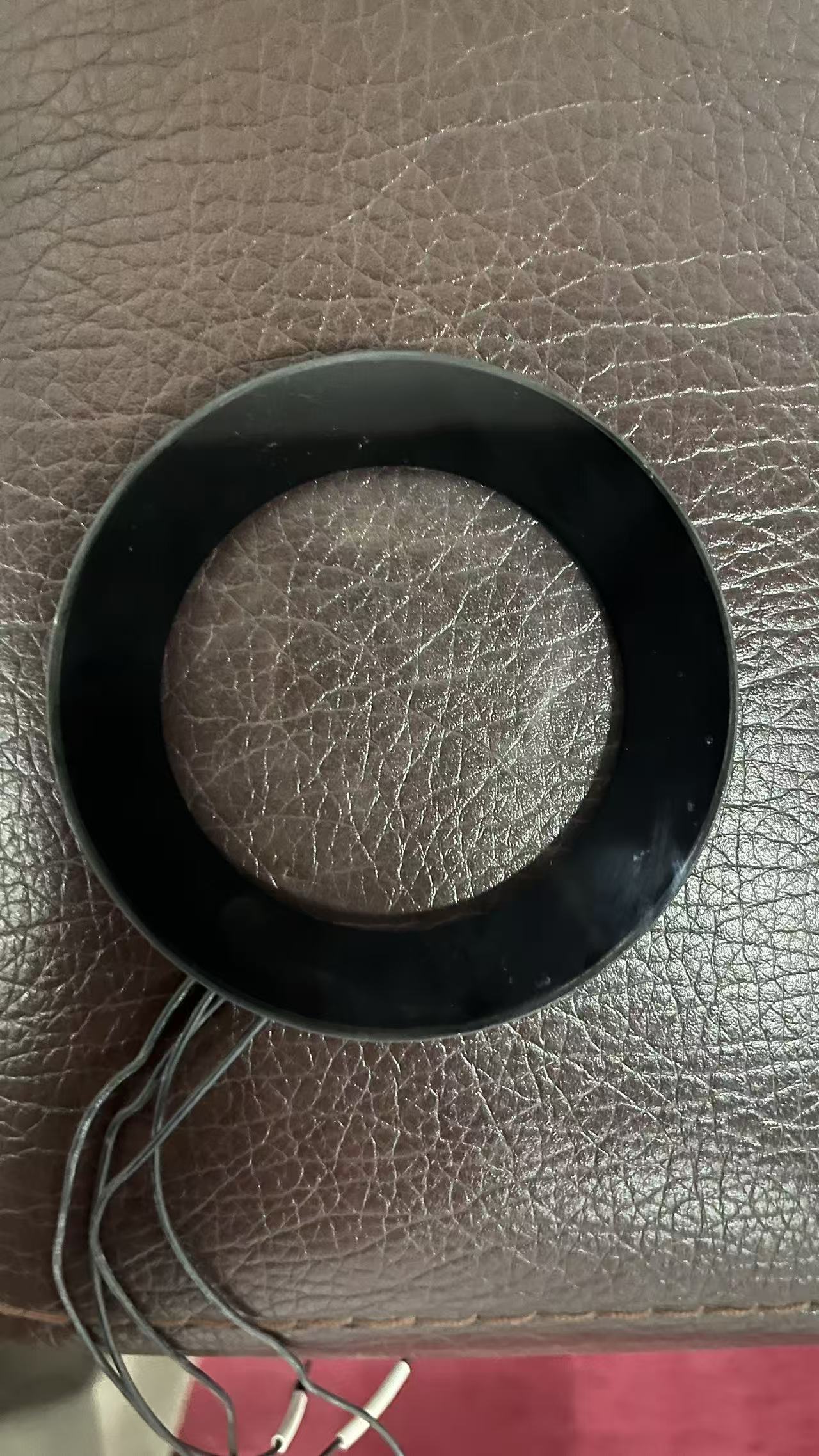
Bent chemically strengthened glass is a high-performance curved glass produced by shaping glass into precise 2D or 3D curves, then strengthening it through ion exchange. In this process, smaller sodium ions are replaced by larger potassium ions, creating a deep compressive layer that improves scratch, impact, and flexural resistance. This allows thin, lightweight glass to achieve exceptional strength while maintaining optical clarity and design freedom. Unlike thermally tempered curved glass, chemically strengthened glass can be made thinner, with tighter bend radii and complex geometries, making it ideal for automotive displays, curved touch screens, smart appliances, medical devices, and premium architectural interiors. It can be combined with anti-glare, anti-fingerprint, anti-reflective, and low-e coatings. Customizable in thickness, curvature, shape, and surface finish, it supports edge polishing, printing, and lamination. For designers seeking durable, elegant, and lightweight curved glass, bent chemically strengthened glass offers a versatile, future-ready solution.

Chemically Strengthened Glass

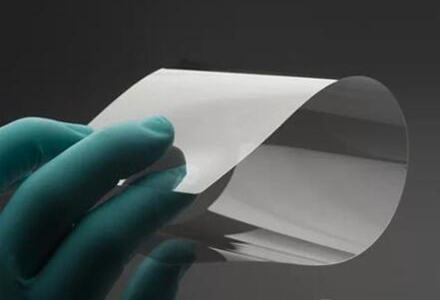
Chemically strengthened glass is a high-performance glass produced by ion exchange, where sodium ions are replaced by larger potassium ions to create a deep compressive stress layer. This makes thin glass stronger, more scratch-resistant, and more impact-resistant while preserving optical clarity. In architecture, it supports slim facades, partitions, balustrades, and doors when laminated for safety. In rail transport, it is used in windows, door vision panels, interior partitions, and display covers, helping meet demanding impact, fire, and durability requirements. In security, it forms a key component of laminated forced-entry and ballistic-resistant glazing, reducing weight and thickness while improving attack resistance. It can be coated, printed, curved, and laminated with PVB, SGP, or polycarbonate. Unlike thermally tempered glass, it can be processed before strengthening and offers excellent strength in thin formats. It is a versatile solution for safer, lighter, and more design-driven glazing across architecture, rail, and security.

Bulletproof & High-lmpact Resistant Glass

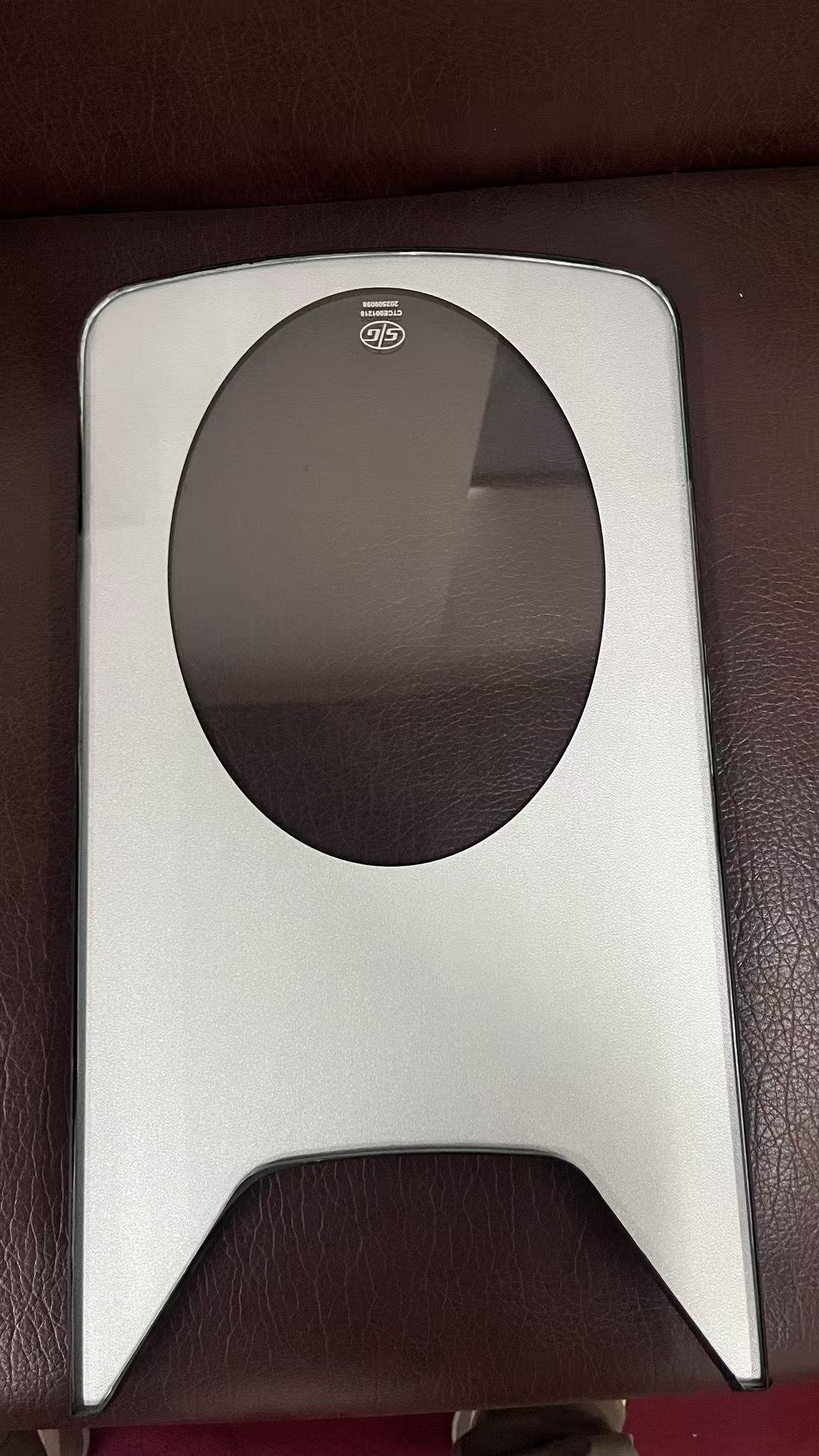
Bulletproof and high-impact resistant glass is a specialized security glazing engineered to stop projectiles, absorb impact, and resist forced entry. It is typically made by laminating multiple layers of glass with tough interlayers such as PVB, SGP, TPU, or polycarbonate, sometimes combined with acrylic or polycarbonate sheets. This construction distributes impact energy, prevents penetration, and holds fragments together, protecting people and property. Available in transparent, tinted, and one-way vision options, it can be tested to ballistic standards such as UL 752, EN 1063, and ASTM, as well as forced-entry standards like EN 356. Applications include banks, embassies, government buildings, courtrooms, jewelry stores, cash-in-transit vehicles, armored cars, and VIP transport. It can be curved, insulated, and integrated with access control, intercoms, and voice transmission systems. Customizable in thickness, protection level, and optical performance, it delivers reliable security without sacrificing visibility.

Join us and become a customer or partner

We always need your help to expand and develop our business. If you are interested in our products or are interested in becoming our partner, please click the button below and our team will contact you as soon as possible.

Factory Capacity

Technological and R&D Advantages

Mingdun Glass is one of the earliest high-tech enterprises in China to engage in the research and development and production of safety glass for rail transit.

Ordinary tempered glass (physically tempered), also known in the industry as safety glass, is the most widely used type of tempered glass today, offering fast processing and low cost. However, it has inherent defects such as spontaneous breakage, light refraction, and a low safety factor, affecting the user experience.

The industry generally considers the spontaneous breakage rate of physically tempered glass to be 0.3%. Even after homogenization furnace treatment, the spontaneous breakage rate can be reduced to 0.1%, but it cannot completely prevent the occurrence of spontaneous breakage. Spontaneous breakage of physically tempered glass is characterized by randomness, uncertainty, and suddenness.

Mingdun Company, adhering to the safety product concept of "impact resistance and penetration prevention," has addressed the shortcomings of ordinary tempered glass by employing ion replacement technology to produce ion-tempered glass (chemically tempered), which boasts higher safety performance and stronger impact resistance.

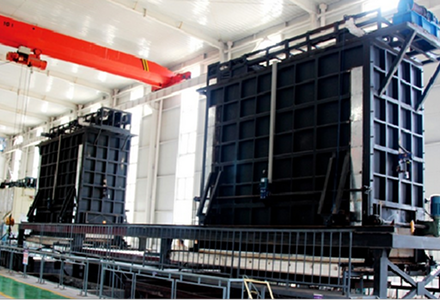
Mingdun Company has two ion tempering furnaces, which are independently designed and manufactured by Mingdun and have complete independent intellectual...

Get in Touch
Schedule a Consult

Address

No. 8 Sanhe North Road, Nanhe District Industrial Park, Xingtai City, Hebei Province

+86 153 8309 2012

0.176997s